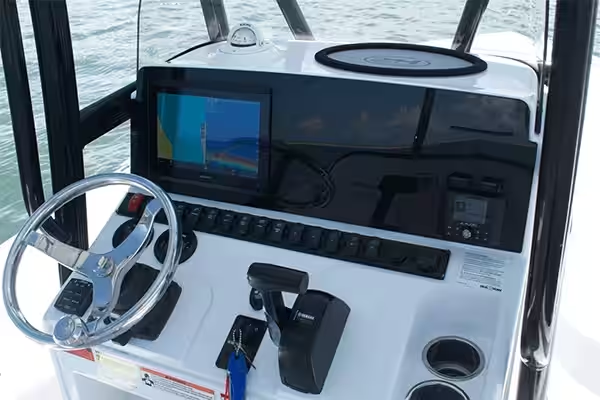
Whether you're new to boating, recently purchased a boat, or want to improve your skills, I offer private, hands-on boating lessons in Ocean Isle Beach, North Carolina. Training is customized to your experience and goals, covering boat handling, docking, navigation, marine electronics, and boating safety.
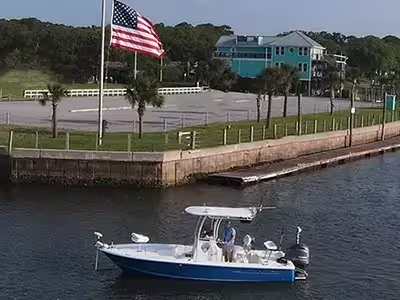
As a USCG-licensed captain with many years of experience navigating the inland and coastal waters of North and South Carolina, I provide practical, one-on-one instruction to help you become a safer, more confident boat operator. Most lessons take place aboard my fully equipped Sea Hunt bay boat, although training aboard your own boat can be arranged.
I also offer local waterway familiarization around Ocean Isle Beach, Sunset Beach, Holden Beach, and Calabash. The training topics below are options, not a fixed curriculum. We'll discuss your priorities before scheduling and focus on the skills you want to develop rather than trying to cover everything in one lesson.
Private Boating Lessons & Training
Each session focuses on the boating skills you want to develop, from basic boat handling to advanced navigation and marine electronics. Training is practical, personalized, and conducted on the water.
Training & Pricing
- $125 per Hour (3-Hour Minimum: $375 & Up)
- One Student per Session
- One Additional Guest Welcome
- Customized Training Topics
- Hands-On Instruction
What You Can Learn
- Boat Handling & Docking
- Boat Launching & Trailering
- Local Navigation & Waterways
- Marine Electronics
- Anchoring & Trolling Motors
- Boating Safety & Seamanship
Training Details
- USCG-Licensed Captain
- 25+ Years of Local Experience
- Training Aboard My Sea Hunt
- Your Boat by Prior Arrangement
- Beginners & Experienced Boaters
- Advance Reservations Required
Training tailored to your needs: There's no fixed curriculum. We'll concentrate on the skills and equipment you want to learn, whether that's docking, navigating unfamiliar waters, operating marine electronics, or improving your overall boat handling. I also offer practical seamanship instruction for individuals pursuing their USCG captain's license. This is hands-on training, not a USCG-approved licensing or examination course.
Private Boat Handling & Docking Lessons
One of the most important skills any boat operator can develop is the ability to confidently control a boat at slow speeds, particularly around docks, marinas, and other vessels. My private boat handling lessons focus on practical techniques you can use every time you leave or return to the dock.
We'll work on understanding how a boat responds to steering, throttle, and shifting between forward, neutral, and reverse. You'll learn how wind, current, momentum, and engine thrust affect maneuvering, and how to use those forces to your advantage rather than fight against them.
Docking is a major part of this training. We'll practice approaching and departing docks at controlled speeds, choosing appropriate approach angles, and maintaining control in changing conditions. I'll also cover proper use of docklines, cleats, and fenders, along with what to do when an approach doesn't go as planned.
Because every boat handles differently, docking instruction can also be arranged aboard your own vessel. This allows you to practice with the boat you'll actually be operating, rather than learning techniques on a vessel with different handling characteristics.
Boat Handling Skills
- Helm, Throttle & Shift Controls
- Slow-Speed Maneuvering
- Steering & Engine Thrust
- Wind, Current & Momentum
- Stopping & Turning Techniques
- Close-Quarters Boat Control
Docking Skills
- Approaching & Departing Docks
- Docking in Wind & Current
- Docking Approach Angles
- Forward, Neutral & Reverse Control
- Docklines, Cleats & Fenders
- Recovering from Unsuccessful Approaches
Boat Launching, Retrieving & Trailering Lessons
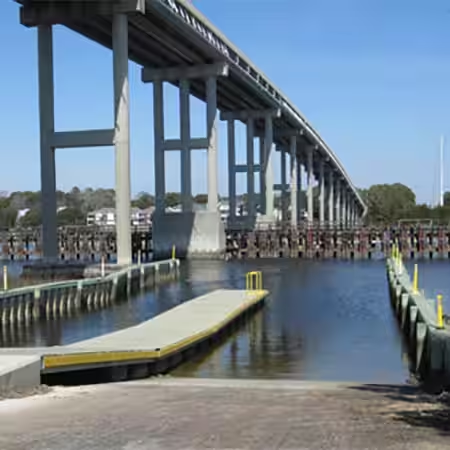
Learning how to safely tow a boat and use a boat ramp is an important skill for any trailer boat owner. Launching and retrieving can be intimidating, especially at busy ramps with changing tides, wind, and other boaters waiting their turn. My hands-on boat trailering lessons focus on helping you develop a safe, organized routine so you can confidently transport, launch, and retrieve your boat.
Training can include safe towing practices, trailer maneuvering, backing a boat trailer, preparing your boat for launch, positioning the trailer on the ramp, and choosing the proper trailer depth. You'll also practice launching, approaching and aligning with the trailer, loading the boat, securing it for transport, and following proper boat ramp etiquette. We'll cover how to use a boat ramp efficiently while avoiding common mistakes.
Because boats, trailers, and tow vehicles vary, this training is conducted using your own equipment at a suitable local location, by prior arrangement. If you need instruction on backing a boat trailer, please let me know before scheduling. We may begin in an empty parking lot where you can practice maneuvering and backing without the pressure of a busy boat ramp, then move to the ramp for launching and retrieving instruction.
Local Navigation & Waterway Training in Ocean Isle Beach, NC
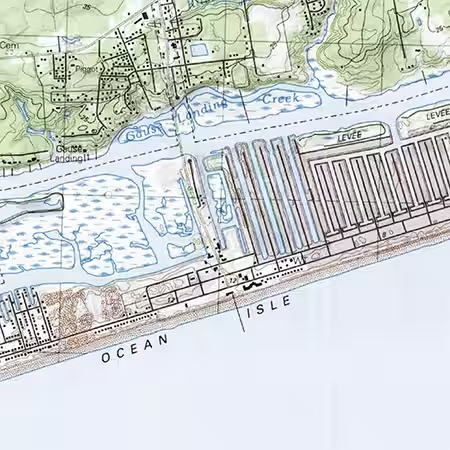
Learning to navigate unfamiliar coastal waters can be challenging, even for experienced boaters. My private navigation lessons focus on helping you safely operate a boat along the Intracoastal Waterway (ICW), local rivers, creeks, and inlets around Ocean Isle Beach, Sunset Beach, Holden Beach, Calabash, and nearby coastal communities.
We'll cover reading nautical charts, understanding channel markers and aids to navigation, identifying shallow-water hazards, and recognizing how tides and currents affect safe navigation. You'll learn how to plan routes, interpret water depths, and use visual references alongside your GPS and chartplotter rather than relying entirely on electronics.
With more than 25 years of experience navigating these waters, I can introduce you to local waterways such as the Shallotte River, Calabash River, Jinks Creek, Saucepan Creek, and portions of the Intracoastal Waterway. We'll discuss changing shoals, narrow channels, bridge clearances, and other conditions that recreational boaters should understand before venturing into unfamiliar areas.
Whether you're a new boat owner, recently moved to the area, or regularly vacation here with your boat, local waterway familiarization can help you become more confident navigating without depending on someone else to show you the way. Training routes and topics will be selected based on your experience, interests, and the conditions during your lesson.
Navigation Skills
- Reading Nautical Charts
- ICW Channel Markers & Navigation Aids
- Understanding Tides & Currents
- Identifying Shallow-Water Hazards
- Route Planning & Waypoints
- GPS & Visual Navigation
Local Waterway Familiarization
- Ocean Isle Beach
- Sunset Beach
- Holden Beach
- Calabash
- Intracoastal Waterway Navigation
- Local Inlets, Rivers, Channels, & Shoals
Marine Electronics, GPS & Boat Equipment Training
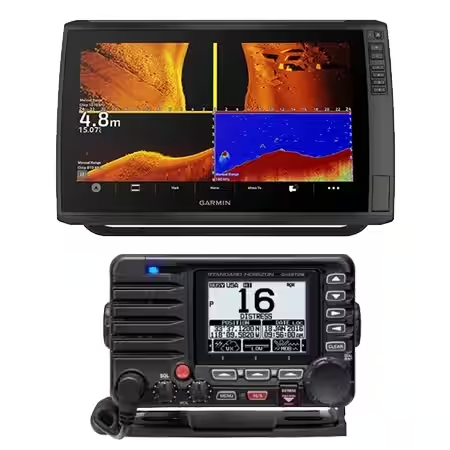
Modern marine electronics can make boating safer, easier, and more enjoyable, but only if you understand how to use them. My private marine electronics lessons provide hands-on instruction with GPS navigation, chartplotters, fishfinders, VHF radios, trolling motors, and anchoring systems. We'll focus on the equipment and features you want to learn rather than trying to cover everything in one session.
My Sea Hunt is equipped with Garmin and Simrad marine electronics, Garmin SideVü, ClearVü, and LiveScope sonar, a 36-volt Minn Kota Terrova trolling motor with 112 pounds of thrust, and an 8-foot Power-Pole shallow-water anchor. This equipment allows you to practice operating the systems firsthand while we're on the water.
GPS, Chartplotters & Fishfinder Training
I offer practical GPS and chartplotter instruction using Garmin and Simrad systems. Training can include reading electronic nautical charts, creating and managing waypoints, planning routes, recording tracks, adjusting chart displays, and understanding GPS navigation features. You'll also learn how to use your chartplotter alongside visual navigation and traditional aids to navigation.
For anglers and boaters interested in sonar, we can cover traditional 2D fishfinders, Garmin ClearVü down imaging, SideVü side imaging, and LiveScope live sonar. I'll explain how to adjust sonar settings, interpret returns, identify bottom structure, and understand what the different sonar technologies are showing you.
VHF Marine Radio & AIS Training
A VHF marine radio is one of the most important pieces of safety equipment aboard a boat. I'll teach you proper VHF radio operation, channel selection, radio etiquette, and how to communicate with other vessels, marinas, bridges, and the Coast Guard. We can also cover emergency communications, distress procedures, and Digital Selective Calling (DSC).
My boat is equipped with a fixed-mount VHF radio with Automatic Identification System (AIS) capability. I'll demonstrate how AIS provides information about equipped vessels in the area, how GPS integrates with marine radio systems, and how these features can improve situational awareness on busy waterways.
Trolling Motors, Spot-Lock & Anchoring Systems
Modern trolling motors offer much more than basic electric propulsion. Using my 36V Minn Kota Terrova, I'll demonstrate trolling motor controls, steering, speed adjustments, GPS-based positioning, and Spot-Lock electronic anchoring. We can also cover practical boat positioning techniques for fishing, maneuvering in shallow water, and maintaining position in wind and current.
I also have an 8-foot Power-Pole shallow-water anchor aboard my boat. You'll learn how these anchoring systems operate, when they're most useful, and how they compare with Spot-Lock and conventional anchors. Traditional anchoring instruction can include selecting an appropriate location, understanding anchor scope, setting an anchor, and retrieving it safely.
Whether you're learning marine electronics for the first time or want to get more out of equipment you already own, I'll tailor the instruction to your experience and goals. If you have specific equipment or features you'd like to learn, let me know before scheduling so we can plan the lesson accordingly.
Boating Safety & Practical Seamanship Training
Safe boating involves more than knowing how to steer and operate an engine. My private boating safety lessons can cover navigation rules, right-of-way situations, maintaining a proper lookout, safe operating speeds, and recognizing potential hazards. We'll discuss how to make sound decisions when sharing busy waterways with other recreational and commercial vessels.
Practical seamanship training can include pre-departure safety checks, required boating safety equipment, life jackets, fire extinguishers, emergency procedures, and responding to unexpected situations on the water. We'll also cover marine weather awareness, recognizing approaching storms, and knowing when conditions call for changing plans or returning to the dock.
My goal is to help you develop the judgment and practical skills needed to operate a boat safely and confidently. Training is tailored to your experience and can include real-world situations encountered along the Intracoastal Waterway and surrounding coastal waters of North and South Carolina.
For more information about the safety practices and equipment I use aboard my own boat, read my Fishing Charter Safety: What to Look For article, which covers vessel inspections, safety equipment, emergency communications, weather decisions, and onboard safety procedures.
Frequently Asked Questions
How much do private boating lessons cost?
Each lesson is customized to your experience and the skills you want to develop. We'll discuss your goals before the trip so we can make the most of our time on the water.
Are boating lessons suitable for complete beginners?
If you already have boating experience, we'll skip the basics and concentrate on the areas where you'd like to improve. My goal is to help you become a more confident and capable boat operator.
Can I choose what I want to learn during my boating lesson?
We can focus on boat handling, docking, anchoring, local navigation, marine electronics, VHF radio operation, trolling motors, or other practical boating skills. We'll discuss your priorities before scheduling your lesson.
Will I learn aboard your boat or my own boat?
Training aboard your own boat may also be arranged, particularly for docking and maneuvering instruction. Every boat handles differently, and learning how your own vessel responds to wind, current, and throttle adjustments can be especially valuable. Please contact me in advance to discuss training aboard your boat.
Can you teach me to navigate the waters around Ocean Isle Beach?
We can cover channel markers, tides, currents, shallow-water hazards, reading nautical charts, and planning safe routes. This is particularly useful for new boat owners and boaters who are unfamiliar with our local waterways.
Do you offer training on GPS, fishfinders, and other marine electronics?
I can also teach you how to use VHF marine radios, trolling motors, Spot-Lock, Power-Pole shallow-water anchors, and conventional anchoring equipment. The lesson can be tailored to the equipment and features you're most interested in learning.
Will boating safety and emergency procedures be covered?
I believe understanding how to operate a boat safely is just as important as knowing how to steer, dock, or navigate it.
Can you help me prepare for my USCG captain's license?
These are practical boating lessons, not a USCG-approved captain's licensing course. I do not administer licensing examinations or issue captain's credentials.
What happens if the weather is unsuitable for my boating lesson?
Coastal weather can change quickly, so I monitor the forecast and make final decisions based on the conditions expected at the time of your lesson.
Arrange Your Boating Lesson
Contact Captain Harvey to discuss your training goals, available dates, or to schedule a private boating lesson.
Have questions? Feel free to Contact Captain Harvey or call (910) 250-8459 anytime.