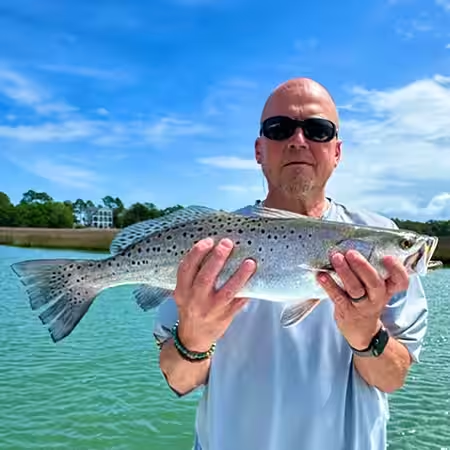
Speckled trout—officially known as spotted seatrout—are one of North Carolina’s most popular and challenging inshore gamefish. They’re aggressive at times, frustrating at others, and highly sensitive to conditions. When everything lines up, speckled trout can be easy to catch. When it doesn’t, they can ignore baits even when fish are clearly present.
Unlike redfish, speckled trout demand attention to water temperature, presentation speed, pressure, and timing. This guide explains how speckled trout actually behave in North Carolina waters and how to consistently catch them—whether you’re just getting started or targeting trophy fish.
In North Carolina, speckled trout are found throughout estuaries, sounds, rivers, and nearshore structure from the Outer Banks to the South Carolina line. Here in the Ocean Isle Beach area of Brunswick County, they’re a year-round presence in systems like the Shallotte River, Lockwoods Folly, the Intracoastal Waterway, and around inlet and jetty structure — but how and where you catch them changes constantly with season, temperature, tide, and fishing pressure.

Fish With the Captain Who Wrote This Guide
I’m Captain Harvey Wall, the author of this guide and the owner/operator of Salty Dawg Fishing Charters in Ocean Isle Beach, NC. If you’d rather skip the learning curve and experience the NC Speckled Trout fishery firsthand, join me on the water.
View Inshore Fishing ChartersSpeckled Trout / Spotted Sea Trout Identification
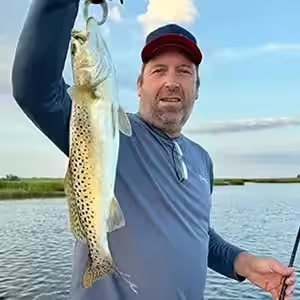
Correct identification matters, especially with slot limits and increased catch-and-release.
Speckled Trout have:
- A long, slender, torpedo-shaped body
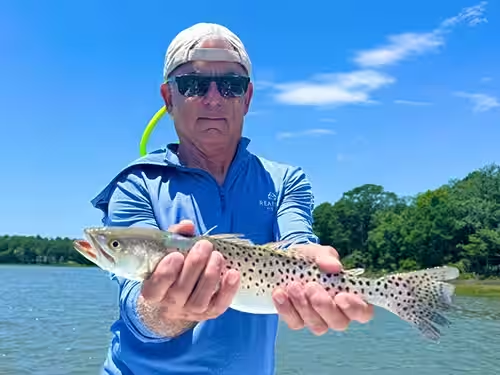
- Multiple distinct, round black spots scattered across the back and sides (not arranged in rows)
- Spots commonly extending onto the tail fin
- A yellow mouth interior, especially noticeable on larger fish
- A soft dorsal fin (unlike drum species with rigid spines)
- A large mouth with visible canine-style teeth
Coloration varies from silver to greenish or bronze depending on water clarity, forage, and habitat.
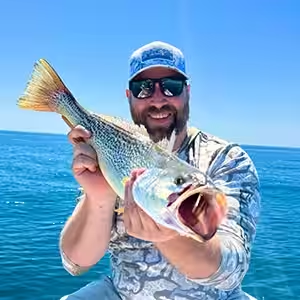
Speckled Trout vs Weakfish (Gray Trout)
Weakfish are occasionally confused with speckled trout, but they are far less common in most North Carolina inshore systems today.
Key Differences Between Speckled Trout and Weakfish:
- Weakfish lack the bold black spotting pattern
- Weakfish often show faint, wavy lines instead of spots
- Speckled trout have a heavier head and thicker body
- Speckled trout are far more abundant in NC estuaries
In most cases, the trout anglers encounter in North Carolina will be speckled trout.
New to Speckled Trout Fishing? Start Here
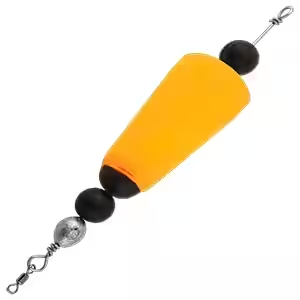
If you’re new to speckled trout fishing, don’t overcomplicate it. Start with:
- A Popping Cork or Slip Float suspending a live shrimp (or live minnow if shrimp are not available)
- Fish moving water, not slack tide
- Target 2–4 feet of water along grass edges, creek mouths, docks, and ICW structure
- Ignore solunar tables initially and learn tide and presentation
Once you’re consistently catching trout, you can refine bait selection, timing, and strategy.
A boat or kayak is not required. You can wade fish, shore fish, or fish from a dock along the ICW.
Nothing beats actual time on the water for quickly gaining experience and confidence.
North Carolina Speckled Trout Regulations (As of 2026)
NC Speckled Trout Size & Bag Limits
- Slot Size: 14 inches to 20 inches (total length), with 1 fish over 26 inches allowed
- Daily Bag Limit: 3 fish per angler
- Seasonal Closures: The state may temporarily close trout season following severe cold-stun events
The introduction of slot limits on trout (enacted July 1, 2025) has fundamentally changed how trout are handled in NC waters. Anglers now release far more speckled trout than in the past, especially larger breeding fish. Because of this, proper handling is no longer optional — it’s essential. Minimize air exposure, support the fish horizontally, and return juvenile or over-slot trout to the water as quickly as possible to maximize survival.
Before fishing, always verify current NCDMF Seasons, Size and Bag Limits. Speckled trout seasons can change quickly, and emergency closures may be implemented following severe winter weather events to protect stressed trout populations.
Speckled Trout Records & Trophy Context
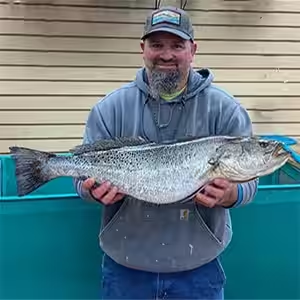
Speckled Trout Records
- NC State Record: 12 lb 8 oz, caught in the Neuse River (2022)
- World Record: 17 lb 7 oz, caught in Florida (1995)
The North Carolina state record Speckled Trout is shown in the photo here. Photo courtesy of NCDMF.
Trophy speckled trout are rare because they’re survivors. Many of the largest fish on record reached their size long before modern slot limits existed. Today, responsible catch and release allows more trout to reach older age classes and trophy size.
Just as importantly, North Carolina’s current regulation allowing one fish over 26 inches means that any angler, on any given day, can legally land and keep a speckled trout large enough to break the existing North Carolina state record.
NC Citation Speckled Trout
The North Carolina Saltwater Fishing Citation Program recognizes exceptional catches that meet minimum size or weight thresholds. Anglers who land a qualifying speckled trout can apply for an official citation certificate from the state, acknowledging the catch even if the fish is released.
A speckled trout weighing 6 pounds or more qualifies as a North Carolina citation fish.
Speckled Trout Feeding Behavior
Speckled trout are visual ambush predators that rely heavily on sight, positioning, and timing. Rather than roaming constantly, trout typically hold near structure or subtle depth changes and strike upward or sideways at passing prey. This feeding style explains why presentation height, retrieve speed, and lure profile matter far more for trout than for most other inshore species.
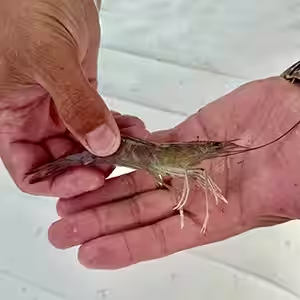
Primary Forage in North Carolina
In North Carolina waters, speckled trout feed primarily on a narrow group of forage species. Matching what trout are actively feeding on — not just what’s available — is often the difference between steady bites and a frustrating day.
- Shrimp
- Glass minnows
- Mullet
- Mud minnows
How Feeding Behavior Changes
Trout feeding behavior shifts constantly based on water temperature, bait presence, fishing pressure, and time of day. During warmer months or active feeding windows, trout often feed higher in the water column and respond aggressively to moving baits. In colder water or high-pressure conditions, they become more selective, holding tighter to structure and favoring slower, more deliberate presentations.
This is why speckled trout can appear “present but not biting.” The fish may still be there, but their feeding window, preferred depth, or forage focus has changed. Understanding these feeding adjustments provides the foundation for choosing the right rig, bait, and retrieve — which is exactly what the next sections break down.
Where to Find Speckled Trout in North Carolina
Speckled trout are not random roamers. They position where current, depth, and bait intersect, using structure to ambush prey with minimal effort. If you understand why trout choose certain areas — not just where they’re caught — you’ll be able to find fish consistently instead of relying on luck or crowded spots.
In North Carolina, trout location is heavily influenced by water temperature and stability. During warmer periods, fish spread out and feed shallow. As water cools, they concentrate around areas that offer depth changes, current breaks, and reliable forage.
Common Speckled Trout Habitat
These are the types of areas that routinely hold speckled trout across North Carolina’s inshore waters. The key is not the feature itself, but how it interacts with tide, bait, and water temperature on a given day.
Common trout habitat includes:
- Grass edges and marsh shorelines
- Creek mouths and drains
- Drop-offs and ledges
- ICW markers and dock lines
- Inlets and jetties (especially in winter)
Seasonal Behavior of Speckled Trout in NC
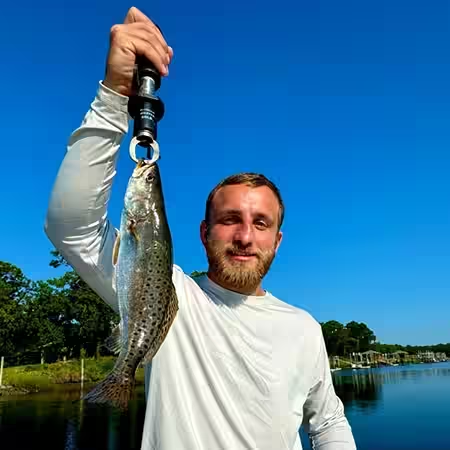
Speckled trout behavior in North Carolina is driven first by water temperature and stability. They usually stay in the same general systems year-round, but their depth, location, and feeding windows shift constantly with season, bait, and pressure. If you fish “summer spots” in winter (or winter holes in May), it can feel like the trout vanished — they didn’t. They simply repositioned within the same water.
Spring
Spring is the “spread out” season. As water warms and bait returns, trout stop stacking in tight winter groups and begin roaming shorelines, creek mouths, and flats. Fish are more aggressive and willing to chase. You’ll typically catch more trout by covering water and hitting multiple high-percentage pieces of structure rather than camping on one hole.
- Where to focus: creek mouths, drains, marsh points, grass edges, and shallow shell
- Best tide setup: steady moving water that sweeps bait past an edge or point
- Best approach: cover water, make efficient casts, and keep your bait moving until you find fish — then slow down once you locate them
Summer
Summer trout can be very consistent — but timing matters. Heat pushes fish into low-light windows, deeper water midday, and areas with better oxygen and flow. They still feed shallow early and late, but bigger trout especially tend to slide deeper when the sun gets high and water gets slick.
- Where to focus: docks/shade lines, ICW edges, deeper creek bends, and current breaks
- Best time windows: dawn + last light (plus any cloud cover or wind)
- Best approach: fish slower around shade and current, and avoid burning baits in bright, clear water
Fall (Peak Trophy Period)
Fall is the sweet spot. Cooling water, heavy bait, and predictable patterns make October and November the best months for quality speckled trout. Bigger fish set up on edges, ledges, and ambush points as mullet and shrimp move with the tide. In fall, one good tide window can produce your best fish of the year.
- Where to focus: creek mouths, points, ledges, and any place bait is being funneled by tide
- Best conditions: moving water + overcast or wind + stable temps
- Best approach: fish deliberately on prime structure — trophy trout often eat on the pause
Winter
Winter trout fishing is about temperature stability. As water cools, trout concentrate in deeper, protected areas where temps fluctuate less. The bite is often “all or nothing” — once you find the group, you can catch several fish quickly, but if you’re off by a small depth change, it can feel dead.
- Where to focus: deeper holes, creek basins, channel edges, and dark-bottom areas that warm in the sun
- Best time window: the warmest part of the day (often early afternoon)
- Best approach: slow down (a lot) and fish deeper, keeping your bait in the strike zone longer. If you think you're fishing slow enough, slow down a little more.
How cold water affects Speckled Trout:
- Feeding slows at water temps of 50°F
- Trout become lethargic in the mid-40s
- Cold-stun risk begins around 37°F
- Speckled trout can die at 36°F and below
This is why trout seek warmer, stable water — and why North Carolina may temporarily close trout season after severe cold-stun events to protect the fishery.
Note: NC experienced significant cold-stun events in both the winter of 2025 and early 2026. As of Feb 10, 2026, the 2026 speckled trout season was announced closed until at least June 30, 2026 to protect stressed fish.
Captain’s Tip: In winter, depth and patience beat “more casts.” If you’re not getting bites, don’t lure-hop. Change depth first (usually deeper), slow your retrieve, and keep your bait in the strike zone longer. When you find the right winter hole, you’ll know.
Using Solunar Tables for Speckled Trout Fishing
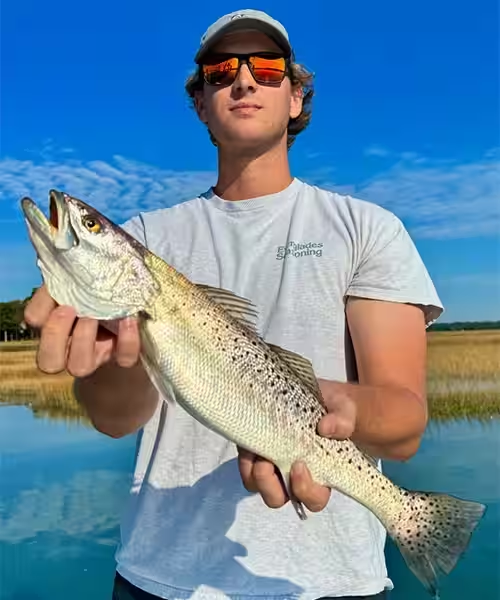
Solunar tables are one of the most misunderstood — and most misused — tools in fishing. They do not predict weather, tides, or water temperature. What they do predict are natural feeding windows driven by the moon’s position relative to the earth.
For speckled trout, solunar periods often determine when fish are most likely to feed aggressively — especially larger, more cautious trout that don’t bite randomly throughout the day.
If you want to check today’s major and minor feeding windows, these two solunar tables are solid for speckled trout fishing:
What Solunar Tables Actually Measure
Solunar tables are based on lunar gravitational influence. Major and minor feeding periods occur when the moon is directly overhead, underfoot, rising, or setting. These moments consistently align with increased fish movement across species — including speckled trout.
- Major periods: Longer feeding windows, typically strongest
- Minor periods: Shorter windows that can still trigger bites
A major solunar period occurs when the moon is directly overhead or underfoot. These are typically the strongest and longest feeding windows of the day, often producing the most aggressive trout bites when other conditions are favorable.
Minor periods occur when the moon is rising or setting and create shorter feeding windows that can still trigger strikes, especially from actively positioned fish. While majors tend to influence broader feeding activity, minors often produce quick, concentrated bite windows around key structure.
Solunar influence is generally strongest during the three to five days surrounding a full or new moon. During these phases, lunar gravitational pull is amplified, which often intensifies feeding behavior and increases the consistency of both major and minor periods.
Dawn and dusk are always productive times to target speckled trout, but bites are often significantly intensified when these low-light periods overlap with a major or minor solunar window. A sunrise or sunset that coincides with a major period is one of the most reliable setups for aggressive trout feeding.
To use solunar tables effectively, anglers need to know when the current major and minor periods occur. These times change daily and are easily checked using solunar charts or fishing apps that calculate lunar overhead, underfoot, rise, and set times for your exact location.
Most modern fishing apps and tide tools display today’s major and minor feeding windows clearly, often alongside tide movement and weather. A quick search for “today’s solunar fishing times” or “solunar tables near me” will return location-specific results that show whether a major or minor period is happening now — or later in the day.
When fishing speckled trout, plan to be set up on prime structure before a major or minor period begins. Use the solunar window to time your best presentations — not to decide whether to fish at all.
Solunar timing becomes far more effective when it overlaps with moving water. Active feeding is most common during the middle third of a rising or falling tide, and it’s common for major or minor solunar periods to align closely with high or low tide changes.
Why Solunar Timing Matters for Speckled Trout
Speckled trout are ambush predators with soft mouths and deliberate feeding behavior. Outside of feeding windows, they often follow lures without committing. During solunar periods, trout are far more likely to strike decisively.
This effect is most noticeable when targeting larger trout. Trophy fish feed less often, but more predictably. When solunar timing aligns with favorable conditions, these fish become catchable.
How to Use Solunar Tables Correctly
Solunar tables should be used to fine-tune timing, not choose whether or not to fish. The best approach is to plan your trip so you are fishing prime structure during a major or minor period.
- Fish your best water during solunar windows
- Slow down and focus on high-percentage structure
- Expect fewer bites — but higher quality strikes
Seasonal conditions influence how solunar timing plays out. During colder months, speckled trout often feed most actively during the warmest part of the day — frequently early afternoon — making midday solunar periods more important than traditional dawn or dusk bites. In warmer months, early morning and evening solunar windows tend to be more productive.
The most consistent speckled trout action occurs when multiple factors align: a major or minor solunar period, moving water, stable temperatures, and manageable fishing pressure. Solunar timing works best as a multiplier — it enhances good conditions rather than replacing them.
What Solunar Tables Do NOT Do
Solunar timing enhances good conditions — it does not override bad ones. If water temperatures are unfavorable, tides are slack, or fishing pressure is extreme, solunar periods may have little effect.
The biggest mistake anglers make is treating solunar tables as guarantees instead of probabilities. Used correctly, they stack odds in your favor. Used incorrectly, they create false expectations.
When solunar timing, moving water, and stable temperatures align, speckled trout fishing can go from average to exceptional very quickly.
Best Fishing Gear for Speckled Trout in NC
Speckled trout fishing in North Carolina is a finesse game. These fish bite lightly and have soft mouths, so sensitivity matters more than raw power. A balanced light-to-medium spinning setup lets you detect subtle strikes, work lures properly, and has enough backbone to handle grass, shell, and light structure. Every piece of gear below has been proven on North Carolina Speckled Trout on my fishing charters.
Speckled Trout Rod / Reel
- Budget Combo: Penn Battle 4 Rod & Reel Combo (2500 size)
- Recommended Rod: TFO Intracoastal Inshore Rod 7'0
- Recommended Reel: Shimano 21 Nasci 2500HG Reel
- Premium Reel: Penn Slammer IV 2500 Reel
Line & Leader Setup
- Main Line: PowerPro Super Slick V2 Braided Fishing Line
- Fluorocarbon Leader: Yo-Zuri Clear 100% Fluorocarbon Leader
Speckled Trout Lures
- Topwater: MirrOlure Top Dog Jr
- Suspending Twitchbait: MirrOdine 17MR
- Jighead: 1/4 oz or 3/16 oz Trout Eye Jighead
- Soft Plastics: Z-Man Swimming Trout Trick & DOA Cal Shad
Slip Float Rig / Popping Cork
- Popping Cork: Bomber X-Treme Popping Cork
- Slip Float: Betts Billy Boy Med Slip Float
- Slip Float Weight: 3/8 oz Egg Sinker
- Slip Float Bobber Stops: Rubber Bobber Stops
- Slip Float Hook: VMC 9651 X-Strong Treble Hook Size 6
Hook-Setting & Fighting Speckled Trout
Speckled trout have very soft mouths, which is why more trout are lost than with most inshore species. The goal is rod loading, not force. Aggressive snap hook-sets often tear holes and cause fish to come unbuttoned mid-fight.
Circle hooks vs J-hooks: With circle hooks, don’t “set” the hook—just lift steadily and let the fish load the rod. With J-hooks, use a gentle sweep set instead of a snap.
Treble-hooked lures: This is where a lot of trout get lost. Use a softer rod, set a lighter drag, and keep steady pressure. Most trout are lost boatside when they head-shake and you get slack line for even a second.
Targeting Bigger Speckled Trout
Big speckled trout behave differently than smaller school fish. They usually hold just outside the main schools along depth changes, channel edges, creek bends, or hard bottom such as shell or rock. Instead of chasing bait, they position where current naturally funnels food to them.
Low-light periods — dawn, dusk, overcast skies, or slightly stained water — consistently produce better trout. In bright sun and very clear water, larger fish tend to slide back into deeper, darker areas.
Presentation matters more with big trout. Slower retrieves, longer pauses, and more natural movement usually outperform fast, erratic action. Live minnows can be excellent along deeper edges, but artificials work just as well when fished patiently and precisely.
Captain’s Tip: If you’re catching lots of small trout but no big ones, you’re probably fishing too shallow or too fast. Slide to deeper water, slow your retrieve, and focus on current seams along channel edges — that’s where larger trout typically hold. If you're fishing with a slip float rig, adjust your stops so that the bait rides lower in the water.
When Things Don’t Work (Troubleshooting)

If trout are present but not biting, change what matters most first. Most anglers swap lures immediately — that’s usually the last thing you should do. In my experience, depth and speed solve more problems than color ever will.
Make adjustments in this exact order:
- Change Depth: move your float stop, adjust jig weight, or slide to deeper water. Trout often hold in a narrow band, and being just a foot too shallow or too deep can shut the bite off.
- Slow Down: when fishing gets tough, trout almost always want a slower presentation than you think — longer pauses, lighter jigheads, or a slower drift.
- Adjust Profile: if you’re getting follows or short strikes, downsize your lure or switch to a more natural profile. Bigger bait can scare wary fish in clear water.
- Change bait last: don’t “bait hop” before fixing depth and speed. New lures rarely fix a bad presentation.
Short strikes and missed hits usually mean your retrieve is too fast, your bait is too big, or trout are in a neutral mood. In those situations, slow everything down and keep your bait in the strike zone longer.
Also remember: solunar tables can tighten feeding windows, but they don’t make fish bite or stop biting by themselves. If trout are there, proper depth, speed, and placement will catch them — even outside “peak” periods.
Fishing Pressure & Trout Behavior
Fishing pressure changes speckled trout behavior more than most anglers realize. On busy weekends or during popular bite windows, trout often become more cautious, feed less aggressively, and move away from the most obvious structure that gets hammered by boats.
When pressure is high, trout frequently slide off shallow flats, creek mouths, or visible edges and hold slightly deeper, farther out, or along less obvious transition areas. They may still be nearby — they’re just not sitting where everyone expects them to be.
Heavy boat traffic can also shrink feeding windows. Instead of biting steadily for hours, trout may feed in short bursts when conditions line up just right — a brief push of tide, a passing cloud, or a lull in boat activity.
Interestingly, tougher weather often produces better bites. Wind, chop, or overcast skies make trout feel more secure and less pressured. At the same time, fewer anglers are on the water, which reduces disturbance and competition.
If you’re fishing during peak pressure, don’t keep pounding the most obvious spots. Slide to secondary edges, fish slightly deeper water, slow your presentation, and take advantage of any wind or cloud cover you get.
Catch & Release Best Practices
With slot limits in place, responsible catch-and-release is more important than ever for speckled trout in North Carolina. We’re releasing more fish today than we used to, and how we handle them determines whether they survive — especially larger trout that are critical to the fishery.
Big trout are the most valuable breeders in the population. Protecting them isn’t just “nice to do” — it directly impacts future year classes and the long-term health of our inshore trout fishery.
- Wet your hands before handling: Dry hands remove protective slime that helps trout resist infection.
- Minimize air exposure: Keep the fish in the water as much as possible; extended photos increase stress and mortality.
- Support big trout horizontally: Never hang large trout by the jaw — cradle the body to protect internal organs.
- Release breeders quickly: The larger the fish, the faster you should get it back in the water.
If a trout seems sluggish at release, hold it upright in gentle current until it kicks off on its own. Don’t “toss” it — let it recover naturally before swimming away.
Big trout are the future of the fishery. Treat them with care, and they’ll keep producing the next generation of fish we all want to catch.
Simple Decision Guide
This is a quick, practical decision guide for speckled trout in North Carolina — not a rulebook, but a set of defaults that work most days. If you’re unsure what to do, start here, then fine-tune based on what you see on the water.
- Clear water: Use lighter leaders, more natural colors, and slower retrieves. Trout can see very well in clear water, so stealth and patience matter more than aggression.
- Dirty or stained water: Add vibration and noise with popping corks or heavier jigheads. In low visibility, trout rely more on lateral line detection than eyesight.
- Heavy fishing pressure: Slide deeper, fish secondary edges, or target less obvious structure. Trout don’t disappear — they just reposition.
- Cold water: Slow everything down — lighter jigheads, longer pauses, and shorter drifts. Winter trout rarely chase fast-moving baits.
- Bright sun: Favor deeper water, shadows, docks, or channel edges. Trout often avoid direct light when the sun is high.
- Windy conditions: Fish wind-blown banks and points where bait is pushed naturally toward structure.
- Slack tide: Don’t expect much. If you must fish, slow your presentation and focus on deeper holes or current seams.
If you remember nothing else: match your depth first, then your speed, then your profile — color is the last adjustment.
Captain’s Shortcuts
These are the simple “on-the-water shortcuts” I use every day when I’m guiding for speckled trout in North Carolina. They’re not tricks — they’re patterns that help you read the water faster and waste less time.
- Ospreys often feed near trout schools: If you see ospreys repeatedly diving in the same stretch of water, there’s usually bait there — and trout are often nearby. Pay attention to where birds are working, not just where they land.
- Nervous bait and surface flickers matter: Tiny flickers, shrimp skipping, or bait dimpling the surface are subtle but important clues. Trout don’t always crash the surface, but those small signs often mean fish are active underneath.
- Structure beats open water most days: Docks, shell beds, creek mouths, channel edges, and grass lines almost always outproduce featureless water. If you’re unsure where to fish, start with structure first.
- Give an area 5–10 quality casts — then move: Trout are usually there or they’re not. If you make good presentations and get no response, don’t grind it out — cover water until you find willing fish.
- Let the tide tell you where to fish: Focus your effort on the side of the creek, point, or shoreline where the current is actively pushing bait. Dead water rarely produces consistent bites.
- If you’re catching small trout, slide deeper: Bigger fish often hold just off the main school in slightly deeper water or along sharper edges.
If I had to boil trout fishing down to one sentence, it would be this: find bait, fish moving water around structure, and don’t fall in love with any single spot.
FAQ: Speckled Trout Fishing in NC
What tide is best for speckled trout in NC?
Trout typically bite best on a steady moving tide—especially the last half of the falling tide and the first half of the rising tide. Slack water is usually the slowest. More important than “high vs low” is whether water is actually moving across structure and bringing bait to the fish.
How do I tell if trout are actually in an area?
Look for bait first: dimpling on the surface, shrimp skipping, or nervous minnows. Watch birds like ospreys working the same stretch repeatedly. On your sonar, look for small arches or clouds of bait near structure or depth changes. If you see bait + moving water + structure, trout are usually nearby.
What should I change first if I’m not getting bites?
Change depth first, then speed, then profile—and change bait last. Most missed bites are caused by fishing too shallow, too fast, or with a bait that’s too big. Get your bait in the right zone, slow everything down, and keep it there longer before you switch lures.
Why do trout stop biting when the sun gets high?
In bright, clear conditions, trout often retreat to deeper, darker water or tighter to structure where they feel safer. They don’t disappear—they reposition. When the sun is high, focus on channel edges, docks, shadows, or slightly deeper holes and slow your presentation.
Why does fishing pressure shut the bite down?
Heavy boat traffic and constant casting don’t just “spook” trout—they change how and where they feed. Under pressure, trout often slide a little deeper or off the most obvious structure and feed in shorter windows. Wind, clouds, and tougher weather often improve the bite because trout feel safer and fewer anglers are on the water.
Where should I start looking for trout in winter?
In winter, focus on deeper holes, creek basins, channel edges, and areas that warm slightly on sunny afternoons. Trout group up more tightly in cold water, so once you find them, slow your drift and keep your bait in the strike zone longer rather than running and gunning.
Why do I catch lots of small trout but no big ones?
Most anglers catch small trout because they fish too shallow, too fast, or in the middle of the school. Bigger trout usually sit just outside the main group along deeper edges, channel bends, or hard bottom. To find larger fish, slide a little deeper, slow your retrieve, and focus on current seams rather than the most obvious shallow water.
Speckled Trout Fishing Charters in North Carolina
A good speckled trout charter is built around timing, location, and technique. The best trips are planned around water temperature, tide movement, and seasonal trout behavior rather than a fixed game plan. Successful captains focus on protected creeks, rivers, flats, and ICW stretches where trout consistently hold, and they adjust presentations throughout the day as conditions change.
Most productive speckled trout trips take place in areas like the Shallotte River, Calabash River, Little River, and nearby ICW waters that offer deeper holes, current breaks, and reliable structure. These waters hold trout year-round, with peak opportunities in the cooler months when larger fish settle into predictable staging areas. Quality charters should also be approachable for anglers of all experience levels, including families and kids, and emphasize light-tackle lure fishing rather than simply soaking bait.
At Salty Dawg Fishing Charters, I run private, inshore speckled trout trips based in Ocean Isle Beach, NC. I fish these creeks, rivers, and ICW stretches in southern NC year-round, so I plan each trip around real conditions, adjusting to the tide, water temperature, and trout behavior as the day unfolds. Anglers choose Salty Dawg because the focus is not just on catching fish, but on teaching guests how to read structure, match depth and retrieve to conditions, and understand why trout position where they do. That mix of local knowledge, hands-on instruction, and consistent results is why Salty Dawg Fishing Charters has earned dozens of 5-star reviews from anglers targeting speckled trout in North Carolina’s inshore waters.
Tight Lines,
Captain Harvey Wall
Salty Dawg Fishing Charters
February 10, 2026

How to Book Your Fishing Charter
Booking your Speckled Trout Fishing Charter with Salty Dawg Fishing Charters is easy! Here’s how:
- Option 1:
Book Instantly Online - Option 2: Prefer to talk first or book by phone?
Call / text Captain Harvey directly at (910) 250-8459
Have questions? Feel free to Contact Captain Harvey or call anytime. He is happy to help you plan the perfect fishing trip for you!