North Carolina offers some of the most diverse and productive inshore fishing on the East Coast. From tidal rivers and marsh creeks to the Intracoastal Waterway and protected inlet waters, these systems support a wide range of gamefish that are available year-round or seasonally depending on conditions.
This guide focuses on the primary inshore fish species anglers most commonly encounter in North Carolina. It’s intentionally biology- and behavior-focused, explaining what these fish are, where they live, and how they move through the seasons—without turning into a how-to manual. The goal is understanding the fish and the system they live in, not just catching them.
These five species form the backbone of North Carolina’s inshore fishery, and each one is adapted to a slightly different role in the estuary. Some are built for ambush feeding along bottom edges, others thrive around hard structure, and others roam open flats and creek mouths following seasonal forage. Habitat, salinity, tide, and water temperature are the key drivers behind where these fish show up and why their patterns change throughout the year.
What Defines Inshore Fishing in North Carolina
Inshore fishing in North Carolina takes place between our barrier islands and along the mainland coast. Our inshore waters include estuaries, marsh systems, tidal creeks, tidal rivers, sounds (like Pamlico Sound and Albemarle Sound), and the Intracoastal Waterway, as well as the landward side of inlets.
These waters are shaped by tides, freshwater input, wind, and seasonal temperature swings. Unlike offshore environments, inshore systems are dynamic and constantly changing. Fish that live here are adapted to fluctuating salinity, shifting bottom structure, and rapidly changing conditions, which strongly influences how and where they move. If you're an inshore angler in North Carolina, understanding this goes a long way in explaining why fish move and patterns change so quickly.
Inshore Gamefish Species in North Carolina
Below are the primary inshore gamefish species targeted by anglers in North Carolina. Each section provides a high-level overview of the species, along with records and regulations, and links to a more in-depth guide covering where, when, and how each fish is commonly caught.

Red Drum (Redfish)
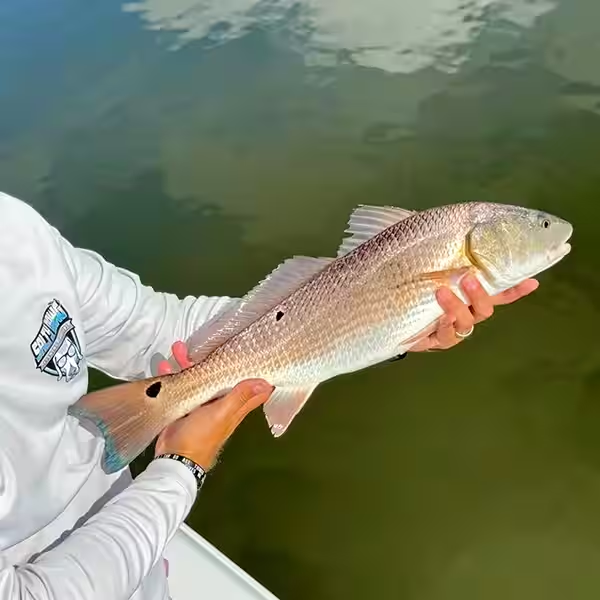
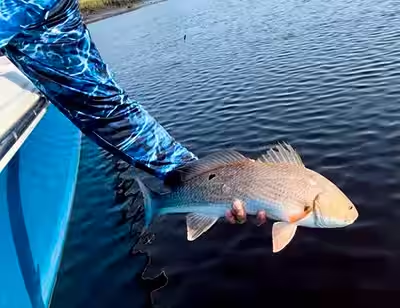
Red Drum, commonly called Redfish, are one of the most recognizable and important inshore species in North Carolina. Smaller fish are often called Puppy Drum, while larger adults are referred to as Bull Reds, Bull Drum, or Old Drum. All of these names describe the same species at different life stages.
Identification
Red Drum have a copper-to-bronze body color and are usually marked by one or more black spots near the base of the tail, though some fish have none, while others can have dozens of spots. Their slightly downturned mouth and broad tail reflect their bottom-oriented feeding style.
Range & Distribution
Red Drum range along the western Atlantic and throughout the Gulf of Mexico. North Carolina lies near the center of their Atlantic range. Juveniles and slot-size (18 to 27 inches) fish spend most of their lives in estuaries, while mature fish move more freely between inshore, nearshore, and offshore waters.
Habits, Forage, & Seasonal Patterns
Red Drum associate with oyster beds, marsh edges, creek mouths, docks, and current seams. They feed primarily on crustaceans and baitfish, including shrimp, crabs, mullet, and menhaden. Seasonally, they spread shallow in spring, remain widely distributed through summer, feed heavily in fall, and during winter they concentrate in deeper protected inshore water or just beyond the ocean breakers.
Red Drum Records:
- North Carolina State Record Red Drum: 94 lb 2 oz
- World Record Red Drum: 94 lb 2 oz
- The Story of the World Record Redfish
NC Red Drum Size & Bag Limits:
- Slot Size: 18 to 27 inches (total length)
- Bag Limit: 1 fish per person per day
- North Carolina's Red Drum Size and Bag Limits
For a deeper dive into red drum habitat, seasonal patterns, and feeding behavior, visit the full guide below.
Red Drum (Redfish) Guide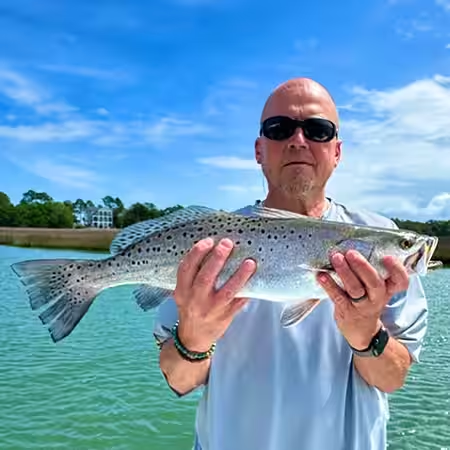
Speckled Trout (Spotted Seatrout)
Speckled Trout, often called “Specks”, are a saltwater drum species and one of North Carolina’s most popular inshore fish. North Carolina sits near the northern edge of their core range, making water temperature a major driver of their behavior and survival.
Identification
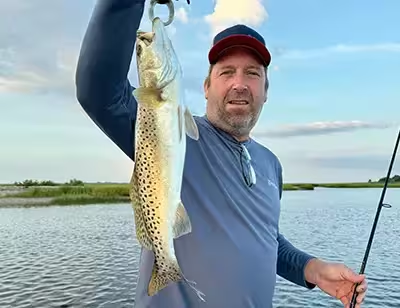
Speckled Trout have a slender, silvery body with numerous black spots across the back and tail, two separate dorsal fins, and a slightly upturned mouth suited for ambush feeding.
Range & Distribution
Speckled Trout range along the southeastern Atlantic coast and throughout the Gulf of Mexico. In North Carolina, they live entirely in inshore waters, including estuaries, creeks, grass flats, and protected sounds.
Habits, Forage, & Seasonal Patterns
Speckled Trout favor edges such as grass lines, drop-offs, and creek mouths. Their diet is dominated by shrimp and small baitfish. They spread shallow in spring, adjust location during summer heat, feed aggressively in fall, and concentrate tightly in deeper water during winter.
Speckled Trout Records:
- North Carolina State Record Speckled Trout: 20 lb 11 oz (not certified as world record)
- World Record Speckled Trout (All-Tackle): 17 lb 7 oz
NC Speckled Trout Size & Bag Limits:
- Slot Size: 14 to 20 inches (total length)
- Bag Limit: 3 fish per person per day
- Trophy Allowance: 1 fish over 26 inches per person per day (included in the 3/day rule)
For a deeper dive into speckled trout habitat, seasonal patterns, and feeding behavior, visit the full guide below.
Speckled Trout (Spotted Seatrout) Guide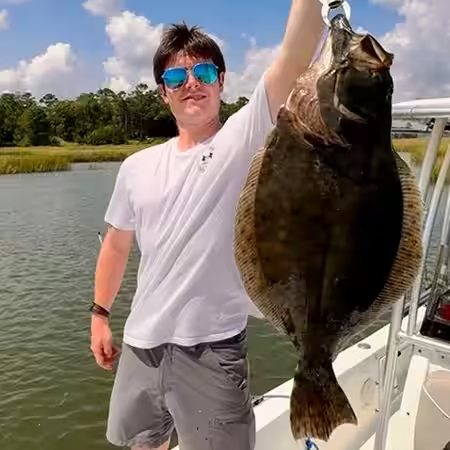
Flounder
North Carolina waters hold three Flounder species: Southern Flounder, Summer Flounder (often called Fluke), and Gulf Flounder. Southern Flounder are by far the most common inshore species of Flounder found in NC. All Flounder are managed collectively under North Carolina regulations.
Identification
Flounder are flatfish with both eyes positioned on the dark, top side of the head and exceptional camouflage. They lie flat on the bottom and blend into sand or mud, often remaining unnoticed until they move.
Range & Distribution
Southern Flounder dominate North Carolina estuaries, while Summer and Gulf Flounder are less common inshore. All three species move between inshore and offshore environments during different parts of the year.
Habits, Forage, & Seasonal Patterns
Flounder are ambush predators that often lie motionless on the bottom, feeding on shrimp and small fish along drop-offs, channel edges, and creek mouths. They move inshore in spring, spread throughout estuaries in summer, migrate toward inlets in fall, and overwinter offshore.
Flounder Records:
- North Carolina State Record: 20 lb 8 oz
- World Record (IGFA): 20 lb 9 oz
NC Flounder Size & Bag Limits:
- Season: Dates vary by year - Check NCDMF for updates
- Bag Limit: 1 fish per person per day
- Minimum Size: 15 inches (total length)
- The Future of NC Flounder Seasons
For a deeper dive into flounder behavior, seasonal movement, and how North Carolina manages flounder, visit the full guide below.
Flounder in North Carolina Guide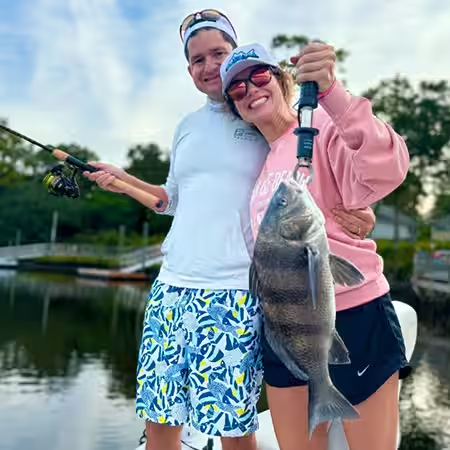
Black Drum
Black Drum are one of the most dependable year-round inshore species in North Carolina, especially around bridges, docks, oyster beds, and other hard structure. They’re often confused with Sheepshead because of a similar appearance, but they’re a completely different fish with different feeding habits, regulations, and fight. When the water cools down and other inshore species slow down, Black Drum can still provide consistent action.
Identification
They are thick, deep-bodied fish with dark coloration as adults, while juveniles display bold vertical striping. Chin barbels are a key identifying feature and help them locate food along the bottom.
Range & Distribution
Black Drum range along the western Atlantic and Gulf of Mexico and are common throughout North Carolina inshore waters, particularly around structure.
Habits, Forage, & Seasonal Patterns
Black Drum are bottom feeders that specialize in crushing shellfish such as crabs, oysters, mussels, and shrimp. They remain active year-round, including winter, making them one of the more reliable cold-weather inshore species.
Black Drum Records:
- North Carolina State Record: 94 lb
- World Record: 113 lb 1 oz
- NC State Record Black Drum
NC Black Drum Size & Bag Limits:
- Bag Limit: 10 fish per person per day
- Slot Size: 14 to 25 inches (total length)
- Overslot Allowance: One fish over 25" per person per day is allowed and counts toward the daily limit
For a deeper dive into black drum habitat, seasonal patterns, and feeding behavior, visit the full guide below.
Black Drum in NC Guide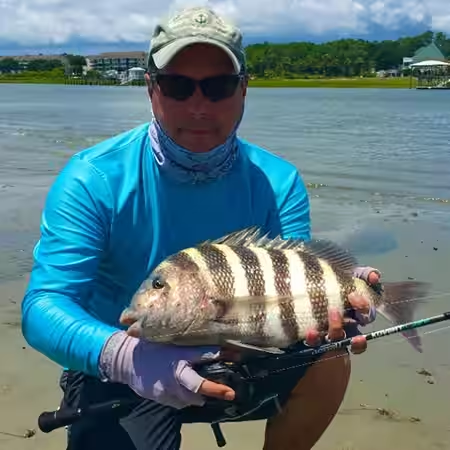
Sheepshead
Sheepshead are one of the easiest inshore fish to identify thanks to their bold black striping and human-like teeth. They’re closely tied to hard structure like bridges, docks, jetties, pilings, and oyster beds, and they’re notorious for stealing bait without getting hooked. When they’re around, they’re one of the most fun “challenge” fish to target inshore.
Identification
Sheepshead have a deep, compressed body with distinct black vertical bars, stout dorsal spines, and large crushing teeth designed for eating shellfish. Their teeth look almost human, and they use them to scrape and crunch barnacles, crabs, oysters, and mussels off structure.
Range & Distribution
Sheepshead range along the Atlantic coast and throughout the Gulf of Mexico. In North Carolina, they’re most commonly found around bridges, docks, jetties, pilings, oyster beds, inside inlets, and other areas where shellfish grow on hard structure.
Habits, Forage, & Seasonal Patterns
Sheepshead feed heavily on barnacles, crabs, shrimp, oysters, and mussels attached to structure. Their inshore presence ramps up in spring and summer, stays strong through fall, and often tapers off during winter as water temperatures drop. When they’re thick, you can catch them one after another — but they’ll make you earn every bite.
Sheepshead Records:
- North Carolina State Record: 16 lb 13 oz
- World Record: 21 lb 4 oz
NC Sheepshead Size & Bag Limits:
- Bag Limit: 10 fish per person per day
- Minimum Size: 10 inches minimum (fork length)
- Maximum Size: No maximum size limit
For a deeper dive into sheepshead habitat, seasonal patterns, and feeding behavior, visit the full guide below.
Sheepshead GuideWhere These Inshore Fish Live in North Carolina
North Carolina’s inshore fishery is built around an interconnected system of estuaries, tidal rivers, creeks, marshes, and protected waters that sit behind the barrier islands. These environments serve as nurseries, feeding grounds, and seasonal refuges depending on life stage and conditions.
Marsh creeks and oyster shorelines are among the most productive habitats, supporting forage and providing shelter. ICW edges and drop-offs act as travel corridors and feeding zones. River mouths create mixing zones that attract both bait and predators. Inlets and deep tidal channels provide seasonal highways and temperature stability, while docks, bridges, and hard structure support structure-oriented species like sheepshead and black drum.
Frequently Asked Questions - North Carolina Inshore Gamefish
Do I need a fishing license to fish saltwater in North Carolina?
Yes. Most anglers need a North Carolina Coastal Recreational Fishing License (CRFL) to fish in saltwater. Some areas and situations are covered under blanket licenses (including many paid public piers), and charter guests are typically covered under the captain’s license. If you’re unsure, the safest move is to confirm your license requirements before fishing.
What’s the difference between red drum and black drum?
Despite similar names, they are different species. Red drum are more mobile and often roam marsh edges, flats, and creek mouths chasing bait. Black drum are heavier-bodied bottom feeders that spend more time around structure like bridges, docks, and oyster beds feeding on crabs and shellfish.
What’s the difference between fork length and total length?
Total length (TL) is measured from the tip of the snout to the end of the tail with the tail fin compressed. Fork length (FL) is measured from the tip of the snout to the center of the fork in the tail. Different species use different measurement standards, so knowing which one applies is important for staying legal.
Why is flounder season so limited in North Carolina?
Flounder are especially vulnerable during spawning migrations, and the stock has been under long-term pressure. Short seasons and low bag limits are designed to protect spawning adults and help rebuild the fishery over time. Flounder season dates can change from year to year depending on management decisions.
Do speckled trout seasons get closed during cold-stun events?
They can. Speckled trout are near the northern edge of their range in North Carolina and are sensitive to rapid drops in water temperature. In severe winters, cold-stun events can cause widespread trout mortality, and fisheries managers may respond with emergency closures or rule changes to protect the remaining stock.
Why do North Carolina inshore fishing regulations change so often?
North Carolina regulations are adjusted based on stock assessments, biological data, and management goals. That’s why size limits, slot limits, bag limits, and seasons may change over time—especially for species like flounder and speckled trout. For the most current legal rules, always verify the latest updates directly with NCDMF before keeping fish.
Can you keep bull redfish in North Carolina?
No. Red drum over the 27-inch maximum size limit may not be possessed and must be released immediately. These larger fish are important breeders and a major part of the long-term health of the red drum population.
Book an Inshore Fishing Charter in Ocean Isle Beach
If you’re ready to experience North Carolina’s inshore fishery firsthand, I run guided inshore charters out of Ocean Isle Beach, North Carolina targeting Redfish, Speckled Trout, Flounder, Black Drum, and Sheepshead. Whether you want to learn the water, catch your first inshore fish, or put a few in the cooler, I’ll help you make the most of your time on the water.
For more info on my inshore fishing charters, please go to my Inshore Fishing Charters page or you can call or text me at (910) 250-8459.
If you're ready to book your inshore fishing charter with me, please use the below booking button:

Tight Lines,
Captain Harvey Wall
Salty Dawg Fishing Charters
Updated: February 13, 2026
How to Book Your Fishing Charter
Booking your Fishing Charter with Salty Dawg Fishing Charters is easy! Here’s how:
- Option 1:
BOOK MY TRIP - Option 2: (If you have questions or don't want to book online)
Call / text Captain Harvey directly at (910) 250-8459
Have questions? Feel free to Contact Captain Harvey or call anytime. He is happy to help you plan the perfect fishing trip for you!