
What makes black drum especially interesting is the gap between what most anglers see and what the species is truly capable of. For every slot-size fish caught around docks and oyster beds, there are far fewer — but much larger — drum that live deeper, move less, and survive long enough to reach extraordinary size. These fish aren’t just big; they’re old, powerful, and extremely efficient feeders.
North Carolina Black Drum share the same estuaries, rivers, and nearshore structure as Redfish and Speckled Trout, yet their growth potential far exceeds what most anglers expect from an inshore fish. When conditions are right, which includes strong tidal flow, abundant shellfish, and limited harvest pressure, black drum can live for decades and quietly grow into true giants. Understanding how large they get, where record fish have come from, and how NC regulations affect harvest helps put the bigger picture into focus.
Black Drum Overview: Size, Strength, and Longevity
Black drum (Pogonias cromis) are common throughout North Carolina’s estuaries, inlets, and nearshore waters. Smaller fish are easy to spot thanks to their bold vertical black bars, while older drum often lose much of that striping and bulk up into thick, muscular fish built to crush shellfish like oysters, clams, and crabs.
Most black drum caught in North Carolina fall in the 3 to 10-pound range, which is what most anglers expect to see. But the species is capable of growing much larger. Trophy black drum over 50 pounds do exist, and when these fish are allowed to live long enough, they can reach truly impressive size. Research suggests some of the biggest black drum may be 60 to 80 years old, making them one of the longest-lived inshore fish we have in NC waters.
North Carolina State Record Black Drum
The official North Carolina state record black drum represents the largest legally documented black drum ever caught in the state.
North Carolina Black Drum State Record Details
- Weight: 100 pounds, 1 ounce
- Length: 56 inches
- Location Caught: Cape Fear River, North Carolina
- Date Caught: 1998
- Angler: Charles R. Dycus
- Fishing Method: Mole crab used for bait
This record confirms that North Carolina waters are fully capable of producing giant black drum. Deep river systems, strong tidal flow, and abundant forage allow black drum to survive for decades and reach exceptional size.
North Carolina Black Drum Size & Bag Limits
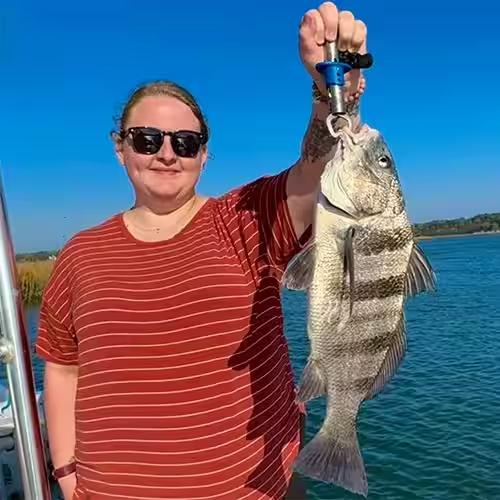
North Carolina manages black drum through a slot limit designed to protect large breeder fish while still allowing anglers to legally retain fish for harvest. These regulations apply in North Carolina coastal and joint waters, and all black drum must be measured by total length.
North Carolina Black Drum Regulations (Recreational)
- Bag Limit: 10 fish per person, per day
- Minimum Size: 14 inches total length (TL)
- Maximum Size: 25 inches total length (TL)
- Slot Limit: No fish under 14 inches or over 25 inches TL may be kept, except for one fish over 25 inches allowed per day
- Measurement Method: Total Length (TL)
Because North Carolina allows one black drum over 25 inches to be legally retained, a potential state record fish may be weighed for certification. With proper handling, a large black drum can be weighed, photographed, and still released alive.
North Carolina recently updated enforcement guidance related to black drum size limits. Accurate measurement is especially important when fishing near the minimum size, as possession of undersized fish may result in a citation.
Always verify current black drum regulations with the North Carolina Division of Marine Fisheries (NCDMF), as size limits, enforcement guidance, and citation thresholds may change.
World Record Black Drum
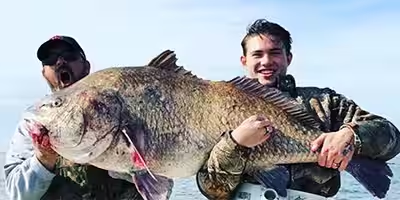
The officially recognized world record black drum weighed 113 pounds and was caught in 1975 by Gerald Townsend. Fish of this size represent the extreme upper limits of the species and are exceptionally rare, even under modern conservation-focused regulations.
In 2018, anglers fishing roughly 90 minutes south of Ocean Isle Beach in Carolina waters landed a massive black drum, estimated at 122 pounds using standard length-and-girth calculations. Regulations in the area, at the time the fish was caught, did not allow large black drum to be brought in for official weighing, preventing record certification. While not officially recorded, the catch demonstrated just how large black drum can grow in the Carolinas — including in North Carolina waters with similar habitat and forage.
Why North Carolina Produces Trophy Black Drum
North Carolina’s coastline offers a near-perfect environment for growing giant black drum. Strong tidal exchange through major rivers and inlets concentrates food, extensive oyster habitat supports long-term feeding, and nearshore structure allows adult fish to move between ocean and inshore environments seasonally.
Combined with conservation-minded regulations, these conditions allow black drum to live long enough to reach extreme size — keeping the potential for trophy-class fish alive in NC waters.
Where, When, and How Trophy Black Drum Are Caught in North Carolina
The largest black drum in North Carolina are most often encountered near major inlets, jetty systems, deep bends of the Intracoastal Waterway, and large river systems such as the Cape Fear. Areas with strong current adjacent to oyster beds or shell bottom are especially productive.
Winter through early spring is the prime season for encountering oversized black drum in NC waters. During these months, large fish often stage in predictable areas and feed heavily during periods of moving water.
Most giant black drum are caught using natural bait presentations fished on or near the bottom. Proven baits include blue crabs, cracked crab, and large shrimp. Bites are often subtle at first, followed by a slow, steady pull as the fish relies on weight and strength rather than speed.
Conservation, Records, and Ethical Release
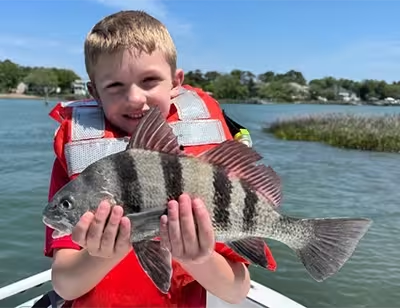
Large black drum are often decades old and play an important role as breeder fish. While North Carolina regulations allow one oversized black drum to be legally retained, many anglers choose to release large breeders after documentation.
With proper handling, oversized black drum can be weighed, photographed, and released alive. Experienced anglers and charter captains regularly document and release trophy black drum while preserving their health, ensuring these fish continue contributing to the population.
Ethical release practices help sustain the fishery while preserving the possibility of future trophy-class black drum in North Carolina waters.
Proper Handling Tips for Large Black Drum
When documenting and releasing oversized black drum, proper handling is critical to the fish’s survival. Keeping handling time short and minimizing stress helps ensure these large breeder fish recover quickly after release.
- Minimize time out of the water when weighing or photographing the fish
- Support the fish horizontally — avoid holding large black drum vertically by the mouth or jaw
- Use wet hands when handling the fish to protect its slime coating
- Avoid using dry towels or gloves, which can damage the fish’s protective layer
- Release the fish gently and allow it time to regain strength before swimming off
Handled correctly, large black drum can be safely documented and released alive, preserving both the fish and the fishery.
FAQ Black Drum in North Carolina
How big do Black Drum get in North Carolina?
Most black drum in NC weigh under 30 pounds, but trophy fish exceeding 50 pounds exist. The official NC state record weighed over 100 pounds.
What is the North Carolina state record black drum?
The official NC state record black drum weighed 100 pounds, 1 ounce and was caught in the Cape Fear River in 1998.
Can a record black drum be legally weighed in North Carolina?
Yes. North Carolina regulations allow one black drum over 25 inches total length to be retained, making it legal to weigh a potential record fish.
What is the citation size for black drum in North Carolina?
North Carolina awards angler citation awards through the NC Saltwater Fishing Tournament to anglers who weigh qualifying fish at authorized weigh-in locations. A citation-size black drum in North Carolina is one that measures at least 40 inches in length or weighs 30 pounds or more.
Why do many anglers release very large black drum?
Large black drum are often several decades old and are important breeder fish. Releasing them helps sustain the population and preserve trophy potential for future anglers.

Tight Lines,
Captain Harvey Wall
Salty Dawg Fishing Charters
Updated: January 20, 2026
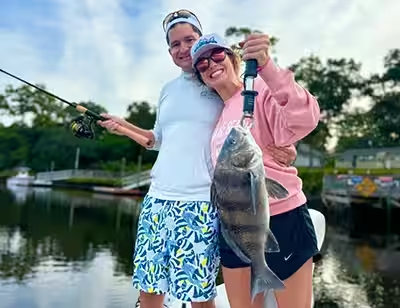
How to Book Your Fishing Charter
Booking your Fishing Charter with Salty Dawg Fishing Charters is easy! Here’s how:
- Option 1:
BOOK MY TRIP - Option 2: (If you have questions or don't want to book online)
Call / text Captain Harvey directly at (910) 250-8459
Have questions? Feel free to Contact Captain Harvey or call anytime. He is happy to help you plan the perfect fishing trip for you!