
Swimbaits are one of the most effective and consistent artificial lures you can fish inshore—but only if they’re fished correctly. When anglers struggle with swimbaits, it’s almost never because the lure doesn’t work. It’s usually because of retrieve speed, jig head weight, or where the bait is being presented in the water column.
I’ve been fishing inshore waters most of my life and I run trips as a USCG-licensed charter captain along the North Carolina coast, including the waters around Ocean Isle Beach, the Intracoastal Waterway (ICW), marsh creeks, tidal rivers, and nearby inlets. Swimbaits are one of the lures I rely on year-round because they imitate what inshore fish are already feeding on and can be fished effectively in a wide range of conditions.
This guide is written with North Carolina inshore fishing in mind, but the same swimbait fishing techniques apply anywhere from the Carolina Coast to the Gulf Coast.
Whether you’re brand new to swimbaits or you’ve thrown them before without consistent results, this article breaks down how to fish a swimbait for inshore fishing in real-world conditions.
Quick Start: A Swimbait Setup That Works Almost Everywhere
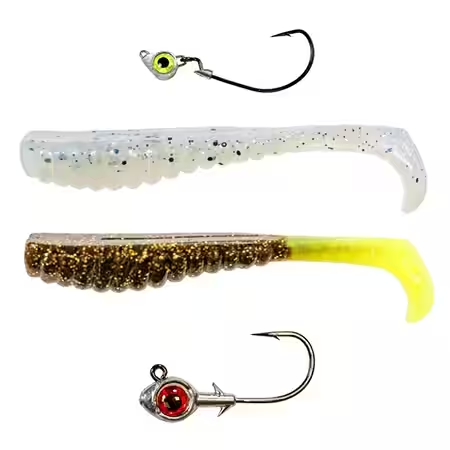
If you want one setup that will catch fish without overthinking it, start here.
- Jig head: 1/4 oz Z-Man Texas Eye Jighead or Z-Man Trout Eye Jighead
- Swimbait: Z-Man Swimming Trout Trick
- Colors: White (clear to lightly stained water) or Rootbeer / Chartreuse (stained to dirty water)
- Leader: 20 LB Fluorocarbon Leader
- Knot: Loop Knot or Palomar Knot. Contrary to popular belief, a loop knot is not required when fishing a swimbait, as the paddle tail provides plenty of action on its own. I use a Palomar Knot on my swimbaits.
How to fish a swimbait based on conditions: In cold water, fish a swimbait slow and close to the bottom. In warmer water, speed up the retrieve slightly. Maintain bottom contact or swim the swimbait just off the bottom depending on current and depth.
This setup works in marsh creeks, the ICW, tidal rivers, and inlets throughout North Carolina. This same approach works from the Carolinas down to the Gulf Coast.
What Is a Swimbait?
A swimbait is a soft plastic lure with a paddle tail designed to kick back and forth as it moves through the water. That tail creates vibration and subtle flash that closely mimics a swimming baitfish.
Compared to grubs or soft jerkbaits, swimbaits are more forgiving. They track straighter, don’t require constant rod action, and still look natural when retrieved slowly—making them ideal for inshore fishing where fish are often pressured.
Why Swimbaits Work So Well for Inshore Fishing in NC
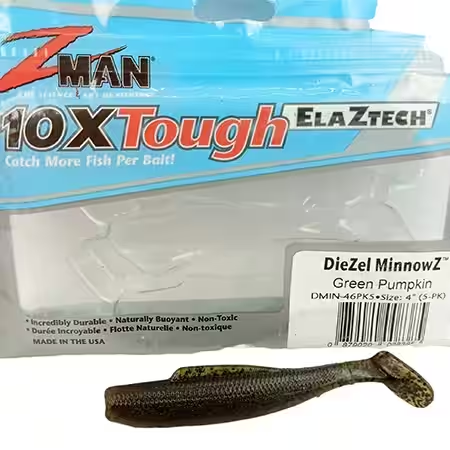
Swimbaits work because they imitate small baitfish, which make up a major part of the inshore food chain. Along the NC coast, mullet, menhaden, mud minnows, and juvenile baitfish are present most of the year, and swimbaits closely match both their profile and movement.
Unlike many hard baits, a soft plastic swimbait produces a natural swimming action even at very slow speeds. That’s critical in North Carolina, especially during winter, post-front conditions, or anytime fish are pressured and unwilling to chase.
Another reason swimbaits excel in NC inshore waters is depth. Much of the ICW, tidal creeks, and sounds are relatively shallow, and fish often hold close to the bottom. Swimbaits allow you to keep your lure in that lower part of the water column longer than many other lure types.
From marsh creeks around Ocean Isle Beach to deeper ICW holes and inlet current breaks, swimbaits simply stay in the strike zone longer—and that’s why they consistently catch fish.
Inshore Fish You Should Target with Swimbaits
Redfish
Redfish feed heavily along structure edges. Swimbaits fished near oyster beds, grass lines, and creek mouths match common forage and trigger strikes even when reds aren’t aggressively feeding.
Effective Swimbaits for Redfish:
- 4–5 inch paddle tail swimbaits on 1/8, 3/16, or 1/4 oz jigheads
- Z-Man DieZel MinnowZ - 4 inch, excellent durability around oysters
- Z-Man Mulletron LT - 4.5 inch, lifelike, natural swimming motion
Speckled Trout
Speckled trout often hold near drop-offs and deeper holes, especially in colder water. Swimbaits shine here because they can be worked slowly just off the bottom.
Effective Swimbaits for Speckled Trout:
- 3–4 inch paddle tail swimbaits for cold and clear water
- Z-Man Swimming Trout Trick - 3.5 inch, smaller profile, great action
- MirrOlure Marsh Minnow - 3.75 inch, heavily scented for muddy or stained water
- DOA Cal Shad - 3 inch, great profile, shrimp-scented
Flounder
Flounder are ambush predators. A swimbait bounced along the bottom or slowly dragged through sandy areas keeps the lure right where flounder are waiting.
Effective Swimbaits for Flounder:
- 3–4 inch swimbaits fished on 1/4 oz jigheads
- Z-Man DieZel MinnowZ - swim or jig near or on the bottom
- MirrOlure Marsh Minnow - 3.75 inch, heavily scented for muddy or stained water
- Berkley Gulp! Swimming Mullet - 4 inch, when scent helps trigger strikes
Choosing the Right Swimbait Size for Inshore Fishing
Swimbait size selection doesn’t need to be complicated. In most inshore fishing situations, a small range of sizes will cover nearly everything you’ll encounter.
- Cold water or pressured fish: Smaller swimbaits produce more bites and look less threatening.
- Everyday inshore fishing: Mid-size swimbaits match common forage and work across a wide range of conditions.
- Larger baitfish or aggressive fish: Upsizing can trigger reaction strikes and help avoid smaller fish.
You don’t need every size on the market. Carrying one smaller swimbait and one mid-size swimbait will cover most inshore fishing situations in North Carolina.
Best Swimbait Colors for Inshore Waters
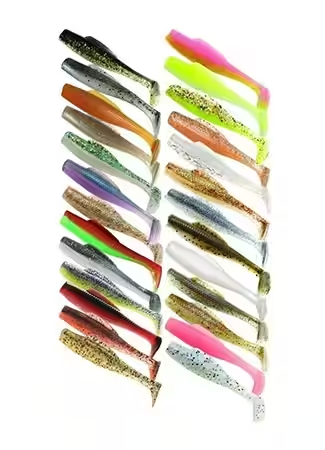
Color selection doesn’t need to be complicated, but it does matter. The key is understanding contrast versus realism, especially in North Carolina’s often-changing water conditions.
Here are four reliable color approaches that consistently work in NC inshore waters:
- White: The most versatile color you can throw. Excellent in clear to lightly stained water and a great choice when you’re unsure what to tie on. Excellent color for inshore flounder fishing.
- White with a chartreuse tail: Adds just enough contrast for slightly stained water without overpowering the bait. This is a great middle-ground option. You can use Spike-It Dip-N-Glo to dye the tails of existing lures (my favorite color is chartreuse).
- Rootbeer / chartreuse: One of the best choices for stained or dirty water after rain, especially in tidal rivers and back creeks.
- Darker natural tones: Useful in very dirty water or low-light conditions when fish need a strong silhouette.
When to switch colors: If you’re getting follows or short strikes, or fishing stained water where fish may not be committing, try adding contrast (for example: a chartreuse tail).
When to stick with what you’re throwing: If you’re getting bites—even subtle ones—don’t overthink it. Retrieve speed and depth matter far more than constantly changing colors. And lastly, colors are important, but usually less important than anglers think they are.
How to Rig a Swimbait for Inshore Fishing
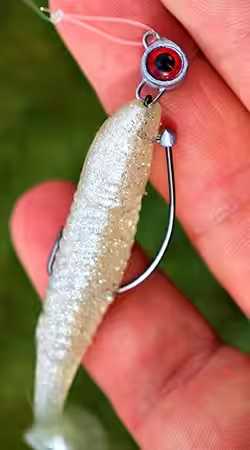
A jighead is the most versatile and reliable way to rig a swimbait for inshore fishing. When rigged correctly, it keeps the bait tracking straight, maintains bottom contact, and allows the tail to swim naturally.
To rig a swimbait on a jighead, insert the hook point into the nose of the bait and thread it straight down the center of the body. Push the bait up the hook shank until the nose sits snug against the jighead. If the bait is crooked, it will spin and lose its natural swimming action.
In open water, exposed-hook jigheads provide the best hook-up ratio. When fishing shallow grass, oyster beds, or other snag-prone areas, switch to a weedless or weighted swimbait hook to reduce hang-ups. You can also skin-hook ("tex-pose") the point by lightly burying the hook tip under a paper-thin layer of the swimbait’s plastic.
In snaggy areas, a swimbait can also be Texas-rigged on a jighead. After threading the bait onto the jighead, rotate the hook and bury the point back into, and through, the plastic so it sits straight and weedless. You can then skin-hook the hook point. This setup reduces hang-ups around grass and oysters, but exposed-hook jigheads generally produce more consistent hook-ups when snags are not an issue.
Jighead weight is critical. Use the lightest jighead that still allows you to maintain bottom contact and feel the lure. In many North Carolina inshore situations, a 1/4 oz jighead is the sweet spot, but lighter weights often work better in shallow water or weak current.
How Water Conditions Affect Swimbait Fishing
Water conditions directly affect how fish see, track, and react to a swimbait. Small adjustments to color, retrieve speed, and weight can make a big difference in how effective your presentation is.
Clear water: Fish rely more on sight in clear water, so subtle, natural colors and slower retrieves work best. Keep the swimbait moving naturally and avoid excessive speed or sharp movements that can spook fish.
Stained or dirty water: Visibility is reduced, so contrast becomes more important. Swimbaits with darker backs, brighter bellies, or contrasting tails help fish locate the bait. A slightly slower retrieve also gives fish more time to track and strike.
Strong current: Fish position themselves behind structure or along current breaks to conserve energy. Slow your retrieve and, if needed, slightly increase jighead weight so the swimbait stays near the bottom and moves naturally through the strike zone instead of washing past fish.
Wind: Wind can unintentionally speed up your presentation by pulling the line and lifting the bait off the bottom. Adjust your boat position and jighead weight so the swimbait maintains contact with the bottom or swims just above it without being dragged unnaturally.
In all conditions, focus on fishing areas where fish can ambush bait without fighting current. When your swimbait moves naturally through those zones, strikes come more consistently.
Retrieve Techniques for Fishing Inshore Swimbaits
Swimbaits are most effective when fished deliberately and close to the bottom. The key is matching your retrieve speed and rod movement to the depth, current, and behavior of the fish.

- Slow steady retrieve: Reel just fast enough to feel the tail thump, and add one or two brief pauses on each cast. Many strikes happen as the swimbait slows or settles, especially in cold water, pressured conditions, or when fish are following but not committing.
- Bounce the bottom: Let the swimbait touch bottom, then lift the rod tip slightly and reel slack as it falls back down. This keeps the bait in the strike zone and is especially effective for flounder and redfish.
- Lift and drop: Lift the rod tip to raise the swimbait off the bottom, then allow it to fall naturally on a semi-slack line. Many strikes happen on the fall, so stay focused and be ready to set the hook.
- Swim just off the bottom: Keep the swimbait a foot or two above the bottom by slightly increasing retrieve speed. This works well along shell edges, grass lines, and areas where you want to avoid constant hang-ups.
- Winter swimbait fishing: When water temperatures drop below 60°F, fish become less willing to chase. Slow your retrieve dramatically and use longer pauses. Cast, twitch the rod tip once or twice, then pause and let the swimbait settle before repeating. The colder the water, the longer the pause.
When in doubt, slow down. Most inshore anglers retrieve swimbaits too fast, especially in cooler water or stronger current.
Feeling the Bite and Setting the Hook
Swimbait bites can be subtle, but you may also feel a sharp strike. In many cases, the bite shows up as extra weight, a dull thump, or the bait simply stopping. Redfish often inhale the bait. Trout may hit and release quickly. Flounder bites commonly feel like dead weight.
I’ve had plenty of clients in Ocean Isle Beach who thought they were hung on bottom structure, only to find out those “snags” were actually flounder inhaling the swimbait—they just didn’t recognize the bite.
When something feels different, reel down until the line tightens, then set the hook firmly. Most missed fish happen because anglers hesitate or assume they’re on the bottom.
Where to Fish Swimbaits Inshore
One of the biggest advantages of swimbaits is how well they fish natural travel lanes—areas where bait moves and predators set up to ambush. In North Carolina inshore waters, these areas are predictable if you understand tides, current, and structure.
Creek Mouths and Feeder Creeks
Creek mouths are prime ambush points on a moving tide. As water drains from feeder creeks, it carries shrimp and small baitfish into deeper water. Redfish and trout often sit just outside the mouth waiting for easy meals.
Fish your swimbait across the mouth, letting it swing naturally with the current and stay close to the bottom. Outgoing tides around Ocean Isle Beach marsh creeks are especially productive in cooler months.
Oyster Beds and Shell Bottom
Oyster beds attract bait, but fishing directly over heavy shell leads to hang-ups. Swimbaits work best along edges, where sand meets shell.
Position your boat to cast parallel to the edge and swim the bait just off the bottom. Redfish cruise these edges, while trout often hold slightly deeper along shell transitions.
Grass Lines and Edges
Grass edges are prime redfish territory. As tides rise and fall, baitfish move along the grass line and reds follow.
Cast down the edge and retrieve the swimbait so it stays just outside the grass, occasionally ticking bottom. These areas are especially productive on rising tides and during calm conditions.
Drop-offs and Deeper Holes
Drop-offs and deeper holes are key areas for speckled trout, especially in winter. In the ICW and tidal rivers, trout often hold where shallow flats drop into deeper water.
Fish swimbaits up-current and let them work naturally down the slope. Even small depth changes can make a big difference, so pay attention to contours and transitions, not just the depth number on your screen.
Inlets and ICW Current Breaks
Fish rarely sit in the strongest current. Instead, they position themselves where fast water meets slower water and pick off bait that gets swept into the seam.
Look for eddies behind points or structure, and cast your swimbait up-current so it sweeps naturally into the softer zone. That presentation closely mimics a baitfish carried by the tide and it triggers reaction strikes.
If bait moves through it, a swimbait belongs there.
Rod, Reel, Line, and Leader Setup for Fishing Swimbaits
You don’t need specialty gear, but the right setup helps with casting distance, lure control, and hook-up ratio.
- Rod: 7’ to 7’6” medium, fast action spinning rod. I typically stick with a 7 foot spinning rod. My preferred rod is a Temple Fork Outfitters Intracoastal Inshore Series Rod.
- Reel: 2500–3000 size spinning reel with a smooth drag. My preferred reel is a Shimano 21 Nasci 2500HG Reel
- Line & leader: Braided main line with a 20 lb fluorocarbon leader. My preferred line is PowerPro Super Slick V2 Braided Line and my preferred leader is Yo-Zuri Clear 100% Fluorocarbon Fishing Line
I like fluorocarbon leader over straight braid for a few reasons: it’s more abrasion-resistant around oysters and shell, it’s less visible in clearer water, and it helps your presentation look more natural—especially on slower retrieves.
Common Mistakes When Fishing Swimbaits

- Fishing too fast: The most common mistake, especially in cold water.
- Using too heavy of a jig head: Kills natural action and pulls the bait out of the strike zone.
- Missing subtle bites: Many “snags” are actually fish.
- Constantly changing colors: Speed and depth matter more.
- Giving up too soon: Swimbaits need time in the water.
Swimbaits reward patience and confidence. If you’re not getting bit, slow down first. Then adjust depth. Color is usually last.
Swimbait Fishing FAQs
When do swimbaits outperform other inshore lures?
Swimbaits often outperform other inshore lures in cold water, during pressured bites, and when fish are keyed in on small baitfish. When topwaters, hard baits, or even soft jerkbaits stop producing, swimbaits continue to catch fish because they stay in the strike zone longer and move naturally with minimal effort.
Are swimbaits effective for inshore fishing in North Carolina?
Yes. Swimbaits are highly effective throughout North Carolina’s inshore waters, from Ocean Isle Beach marsh creeks to the ICW and nearby inlets. The same swimbait techniques used in NC also work across the Carolinas and along the Gulf Coast.
Do swimbaits work year-round for inshore fishing?
Yes. Swimbaits work year-round for inshore fishing. The fundamentals stay the same, but retrieve speed and bait size should be adjusted as water temperatures change. In colder water, slow down and stay close to the bottom. In warmer water, speed up slightly and fish more aggressively.
Are swimbaits good for beginners?
Swimbaits are one of the best lures for beginners because they are simple to fish and produce bites with a basic retrieve. A slow, steady retrieve with occasional pauses is often enough to catch redfish, speckled trout, and flounder.
Should I fish swimbaits on the bottom or swim them higher in the water column?
Most inshore swimbait fishing is done close to the bottom, where redfish, flounder, and trout commonly feed. However, swimming a swimbait just off the bottom can be effective along grass lines, shell edges, or when fish are suspended.
Why do anglers miss so many bites when fishing swimbaits?
Swimbait bites are often subtle. Many anglers mistake bites for bottom structure, grass, or a snag. Flounder in particular will inhale a swimbait and feel like dead weight rather than a sharp strike, causing anglers to miss fish if they don’t recognize the bite.
Final Thoughts: Why Swimbaits Catch Inshore Fish Consistently
Swimbaits aren’t flashy—but they work. Fish them slow. Keep them near the bottom. Don’t overthink colors or gear. If you give a swimbait enough time in the water and fish it with confidence, it will catch fish.
That’s been true for decades along the North Carolina coast. It’s also why I put swimbaits in my clients’ hands year-round on my Ocean Isle Beach fishing charters. Whether we’re targeting Redfish, Speckled Trout, or Flounder, swimbaits consistently produce when other lures stop getting bites.

Tight Lines,
Captain Harvey Wall
Salty Dawg Fishing Charters
Updated: January 6, 2026
How to Book Your Fishing Charter
Booking your Fishing Charter with Salty Dawg Fishing Charters is easy! Here’s how:
- Option 1:
BOOK MY TRIP - Option 2: (If you have questions or don't want to book online)
Call / text Captain Harvey directly at (910) 250-8459
Have questions? Feel free to Contact Captain Harvey or call anytime. He is happy to help you plan the perfect fishing trip for you!