For a long time, I didn't bother with fishing scent. Like a lot of anglers, I figured if I put the right lure in front of the right fish and worked it correctly, that was the only thing that mattered. Sometimes it is. But sometimes you're dealing with lethargic fish, short-striking fish, or ones that instantly spit the lure out. That's where fishing scent can help.
Do I think fishing scent is magic? Not even close. It won't make fish suddenly appear when they're not there and it won't make up for a bad presentation. But after years of using it, I've learned that when I'm around fish and the bite slows down, it's time to apply scent to my soft plastics. At the very least, it gives me confidence in my presentation and keeps me from constantly changing lure colors and other variables when the fish probably don't care nearly as much as I do.
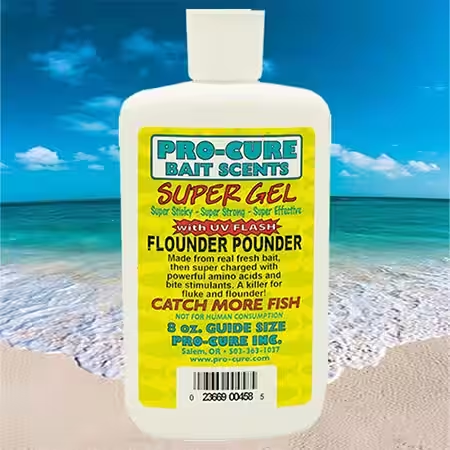
There are only two fishing scents that stay on my boat year-round: Pro-Cure Flounder Pounder and Pro-Cure Mullet. That's not to say there aren't other good scents out there, but these two have earned my confidence when it comes to putting fish in the boat for my charter clients. I'm not sponsored by Pro-Cure and I buy these scents with my own money just like everyone else. They've simply earned a permanent place on my boat after years of trying most fishing bait scents on the market.
My Recommended Inshore Saltwater Fishing Scents
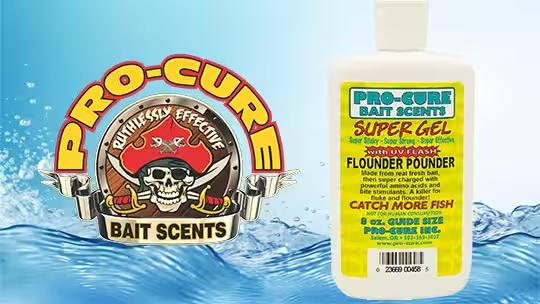
Pro-Cure Bait Scent
Flounder Pounder Super Gel
Great for Flounder and Black Drum
- Made from 100 Percent real baits
- UV enhanced
- Packed with amino acids
- Sticks to artificial baits exceptionally well
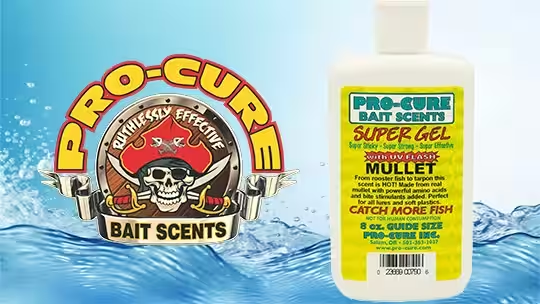
Pro-Cure Bait Scent
Mullet Super Gel
Great for Redfish & General Inshore Use
- Made from 100 Percent real baits
- UV enhanced
- Packed with amino acids
- Sticks to artificial baits exceptionally well

Fish With the Captain Who Wrote This Guide
I’m Captain Harvey Wall, the author of this guide and owner/operator of Salty Dawg Fishing Charters in Ocean Isle Beach, NC. If you’d rather skip the trial and error and see how I catch inshore saltwater fish firsthand, come join me on the water.
Inshore Charter Info BOOK MY TRIPHow Using Fishing Scent Helps
Fish Feed by Smell in Addition to Sight
Most anglers think of fishing as a visual game, but many inshore species rely on far more than their eyesight when searching for food.
In clear water, a fish may spot your lure from a considerable distance. In stained water, low-light conditions, or around structure, scent can provide another way for fish to locate potential prey.
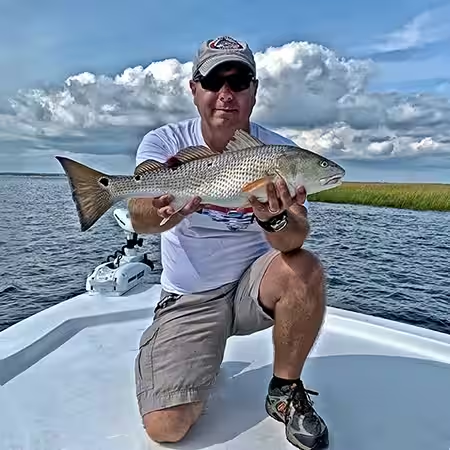
Some species seem to rely on scent more than others. In my experience, Redfish and Black Drum are particularly scent-oriented fish, spending much of their time rooting around the bottom looking for crabs, shrimp, and other forage. Flounder also use scent to help locate prey, especially when lying camouflaged on the bottom waiting to ambush a meal. Speckled Trout tend to rely more heavily on their eyesight, but I've still seen scent make a difference when the bite gets tough.
Fish process information through multiple senses. The more natural your lure appears, smells, and behaves, the more convincing it becomes.
Fish Hold On Longer
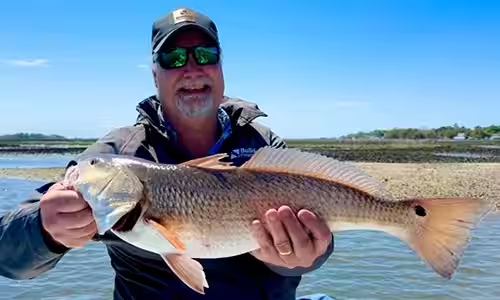
One of the biggest advantages of fishing scent isn't attracting fish from long distances. In my experience, it's what happens after the fish bites. Many species will quickly spit out something that doesn't feel or taste right, while a scented lure may encourage them to hold on just a little longer. That extra second can be the difference between feeling a subtle bite and missing it entirely.
I've also noticed that Flounder often seem more willing to come back and eat a scented lure after a missed strike. I can't prove that's entirely because of scent, but I've seen it happen often enough over the years that I continue to use it. Since Flounder are ambush predators, I suspect scent simply helps make the lure seem more natural when they make that split-second decision to eat.
Black Drum are another species where scent appears to help. While most anglers think of applying scent to artificial lures, I've also used it on fresh chunks of shrimp when targeting Black Drum. Many inshore charter captains in the Carolinas are also known for adding scent to cut bait when targeting Redfish. Since both species rely heavily on their sense of smell when feeding, adding another scent trail simply makes sense.
Confidence for Anglers
There's another factor many anglers overlook: confidence. When you believe in a lure or presentation, you tend to fish it longer and with more focus. Instead of constantly digging through the tackle box looking for the next magic lure, you're more likely to stick with a presentation and give it a chance to work.
I see this with charter clients all the time, especially during slower bite periods like slack tide. When the bite slows down, many anglers immediately assume they need a different lure, color, or retrieve. Sometimes that's true, but often it's not. I've found that adding scent can increase an angler's confidence in a lure that I already know should be working, which helps keep them focused on fishing instead of constantly making unnecessary changes.
When Using Fishing Scent Helps the Most
When Fish Are Present but the Bite Is Slow

One of the times I'm most likely to reach for fishing scent is when I know fish are present, but they simply aren't feeding aggressively. This often happens during slack tide, weather changes, cold fronts, or other periods when fish become less active.
Slack tide is a good example. The bite often slows when water movement stops, making scent more appealing as a way to encourage hesitant fish to commit. At the same time, scent trails don't disperse nearly as well without current. A stationary bait sitting in slack water won't broadcast scent nearly as effectively as it would in moving water.
That's why I don't necessarily think scent is helping fish locate the lure during slack tide as much as it's helping convince them to eat it once they find it. When I know fish are in the area but they're not committing, that's when I usually start reaching for the scent bottle.
Slow Presentations Along the Bottom
I've found that fishing scent tends to work best when a lure spends a lot of time in the strike zone. That's one reason I use it most often with paddle tails, shrimp imitations, and other soft plastics that are being worked slowly along the bottom.
Whether I'm targeting Flounder, Redfish, or Black Drum, a lure that's moving slowly gives fish more time to inspect it. That's especially true when crawling a lure across oyster beds, marsh drains, creek mouths, grass edges, and other areas where fish are actively feeding near the bottom.
By comparison, I don't think scent matters nearly as much when fish are aggressively feeding or chasing fast-moving lures.
Dirty Water and Low Visibility
When water clarity decreases, fish often rely more heavily on senses other than sight. Muddy water, wind-stirred water, heavy rain runoff, and low-light conditions can all make it more difficult for fish to locate prey visually.
Under those conditions, scent becomes another tool that can help fish locate your lure. While I still rely heavily on vibration, profile, and presentation, I see no downside to giving fish another clue that food is nearby.
Cold Water Conditions
Cold water usually means slower fish. As water temperatures drop, fish often become less aggressive and less willing to chase a lure very far.
When fish are sluggish, the little details start to matter more. That's one reason I find myself reaching for scent more often during the cooler months than I do during periods when fish are feeding aggressively.
Species That Seem to Respond Best
While I've used fishing scent when targeting just about every inshore species, I've probably seen the biggest benefits with Flounder, Black Drum, and Redfish, as all 3 rely heavily on their sense of smell when feeding.
Speckled Trout are a little different. They tend to rely more heavily on sight than the other species mentioned above, and many of my best Trout days have come without scent. Even so, I've had enough success using it during slower bites that I continue to keep it in the rotation. I've even caught Speckled Trout on cut bait before, so it's clear that scent plays a role in their feeding behavior at times.
Like many things in fishing, the tougher the conditions become, the more the little details seem to matter. Fishing scent isn't magic, but when fish are present and the bite slows down, it's one more tool that can sometimes help turn lookers into biters.
When Fishing Scent Matters Less
Aggressive Fish and Reaction Strikes
While I use fishing scent regularly, there are plenty of situations where I don't think it matters much at all.
When fish are feeding aggressively, they'll often eat just about anything that resembles food. During strong feeding periods, I don't think scent plays nearly as big a role when lure fishing because the fish are already in a feeding mood and willing to commit.
The same is true with reaction strikes. If a Redfish or Speckled Trout crushes a topwater lure or smokes a fast-moving swimbait out of instinct or aggression, scent probably wasn't what triggered the strike. Those fish are reacting to movement, sound, vibration, profile, or simply the opportunity to attack what looks like an easy meal.
That doesn't mean scent hurts anything in those situations. I just think its biggest advantages show up when fish have more time to inspect a lure or when the bite gets tough.
How I Apply Fishing Scent to Soft Plastic Lures
How Much to Use
One of the biggest mistakes anglers make is using too much scent. You don't need to completely coat a lure until it's dripping. In most cases, a small dab about the size of a pea is plenty.
I usually spread it along both sides of the lure and work a little into any cavities or hook slots molded into the bait. Many soft plastics have a slit for a hook point or belly slot, and those areas are perfect for holding scent. Not only does it stay in place longer, but it also continues releasing scent throughout the retrieve instead of immediately washing away.
The goal isn't to create a sticky mess. The goal is to leave a scent trail and make the lure smell more natural to the fish. A little goes a long way.
Pre-Scenting Soft Plastics
One trick I've used for years is to pre-scent my soft plastics before a trip. The night before, or even an hour or two before leaving the dock, I'll place the lures in a Ziploc bag and add a small amount of fishing scent.
Once the scent is in the bag, I'll work the bag around until the lures have a thin, even coating. The goal isn't to soak the baits or leave globs of scent everywhere. You just want enough to lightly coat the lures and give the scent time to work into the plastic.
I've found that this helps the lure retain scent longer once it hits the water. I'll still add a small amount of scent directly to the lure while fishing, but I believe pre-scenting gives me a head start and helps keep a scent trail on the lure longer throughout the day.
When to Reapply
I usually apply scent before the first cast of the day and then reapply as needed. There's no exact schedule because it depends on how you're fishing and what the lure has been through.
If I've caught a fish, bounced the lure through oyster beds, dragged it across structure for a while, or simply made a lot of casts, I'll often add another small amount. It only takes a few seconds and helps ensure the lure is still putting out a scent trail.
Common Mistakes
The biggest mistake I see is treating scent like a magic solution. If fish aren't present, scent won't magically make them appear. If your presentation is wrong, scent probably won't save it. Think of fishing scent as another tool in the toolbox, not a miracle cure. Like many things in fishing, it tends to help the most when everything else is already being done correctly.
Frequently Asked Questions
Does fishing scent attract more fish?
It can, particularly in dirty water or when fish are feeding less aggressively. However, I believe its biggest advantage is helping fish commit to a lure once they've found it.
What is the best scent for Flounder?
My personal favorite is Pro-Cure Flounder Pounder. It's the scent I use most often when specifically targeting Flounder with soft plastics.
Does fishing scent work for Redfish?
Yes. I've used scent successfully while targeting Redfish throughout the year. I tend to see the greatest benefit during slower bites and cooler water conditions.
Does fishing scent work for Speckled Trout?
Yes, particularly when fishing slowly during cooler months. During aggressive feeding periods, I don't think it matters nearly as much.
How often should I apply fishing scent?
I typically apply scent before the first cast, then reapply after catching fish, after extended casting, or anytime I feel the lure has lost most of its scent.
Does fishing scent wash off soft plastics?
Yes. Water, repeated casting, and fish strikes will gradually remove scent from a lure. That's why periodic reapplication is important.
Does fishing scent go bad?
Most fishing scents have a long shelf life when stored properly. Keeping the lid sealed and avoiding excessive heat will help extend the life of the product.
Can fishing scent damage soft plastic lures?
Most modern scents are safe for soft plastics when used normally. However, I don't recommend storing scent-covered lures in tackle trays for extended periods without checking the manufacturer's recommendations.
Is Pro-Cure better than spray scents?
I generally prefer gel scents because they tend to stay on the lure longer. Spray scents can work, but I find myself reapplying them more frequently.
Final Thoughts
Fishing scent isn't something I use because a manufacturer pays me to. It's something I use because I've seen it help often enough over the years that it has earned a permanent place on my boat. Do I think it's the most important factor in catching fish? Not even close. Finding fish, fishing the right tide, and presenting the lure correctly will always matter more.
That said, when the fish are present but not fully committing, scent is one of the first things I reach for. I've seen it help with Flounder, Redfish, Black Drum, and even Speckled Trout often enough that I continue to use it regularly, especially during slower bites and tougher conditions.
If you've never experimented with fishing scent before, pick up a bottle and try it for yourself. It may not make a difference every trip, but I think you'll find there are situations where it gives you an advantage. And if it gives you more confidence in the lure you're throwing, that's advantage enough.
If you'd like to learn more about catching Redfish, Speckled Trout, Flounder, and Black Drum around Ocean Isle Beach, consider booking an inshore fishing charter with me at Salty Dawg Fishing Charters. I'd be happy to show you how and when I use fishing scent, along with the other techniques that help put fish in the boat year-round.
Tight Lines,
Captain Harvey Wall
Salty Dawg Fishing Charters
June 2, 2026
How to Book Your Fishing Charter
Booking your Bottom Fishing Charter with Salty Dawg Fishing Charters is easy! Here’s how:
- Option 1:
BOOK MY TRIP - Option 2: (If you have questions or don't want to book online)
Call / text Captain Harvey directly at (910) 250-8459
Have questions? Feel free to Contact Captain Harvey or call anytime. He is happy to help you plan the perfect fishing trip for you!