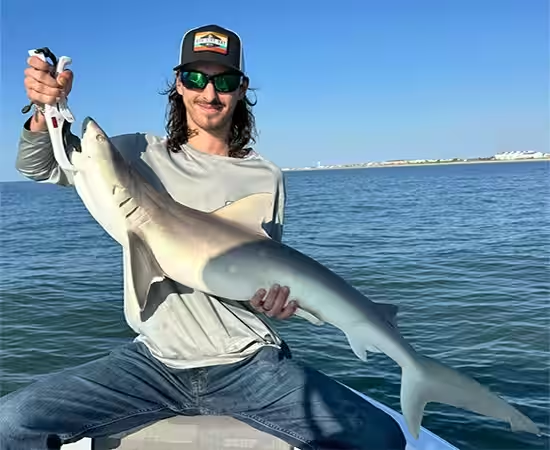
Atlantic Sharpnose Sharks are one of the most common “first sharks” new anglers encounter along the North Carolina coast. They’re small coastal sharks with a slim, torpedo-shaped body, pointed snout, and scattered white spots along their sides. On light tackle they pull hard for their size, which makes them a fun, confidence-building species for families, kids, and anyone who enjoys steady action without being overpowered.
Around North Carolina, Atlantic Sharpnose Sharks are most often encountered in nearshore waters just off the beach, especially around bait schools, reefs, ledges, and scattered hardbottom. In the warmer months, they can also be caught from piers and in the surf when water temperatures are in the upper 60s and above and small baitfish are running the beach.
Most of the Atlantic Sharpnose Sharks we see in NC fall in the 2–3.5 foot range and commonly weigh 5–12 pounds, with occasional larger fish showing up around big bait concentrations. They’re big enough to pull drag and put a deep bend in the rod, but still very manageable for newer anglers with a bit of coaching and the right gear.
On my nearshore shark fishing charters out of Ocean Isle Beach, Atlantic Sharpnose are the shark species we catch the most often. When conditions line up over our nearshore reefs and ledges, it’s not unusual to stay busy with sharpnose bites while we wait on larger sharks or other species to move in.
Atlantic Sharpnose Sharks currently aren’t listed as their own category on the North Carolina State Saltwater Records table. The records page breaks out some larger shark species like blue, dusky, hammerhead, lemon, tiger, and mako, but there’s no sharpnose-specific state record posted at this time.
On the world stage, the IGFA all-tackle world record Atlantic Sharpnose Shark weighs 16 pounds 11 ounces, caught by Jacob Ethridge in July 2016 off Fort Walton Beach, Florida. The catch gained extra attention because the species ID took some time to confirm before IGFA could officially recognize the record.
Atlantic Sharpnose Sharks are part of the federally managed Small Coastal Shark group under Highly Migratory Species (HMS) rules. They can be harvested under the one-shark-per-person aggregate limit when regulations allow, but size and bag limits can change. Many anglers — myself included — often treat sharpnose as a fun, light-tackle sport fish and release them after a quick photo, especially when kids are the ones doing the catching.
This page breaks down everything you need to know if you’re trying to identify an Atlantic Sharpnose Shark or better understand how they behave along the NC coast. Whether you’re learning the species for the first time or checking off sharks you’ve caught over the years, this guide will walk you through their key traits, where they show up, and what makes them such an important part of our shark fishery.
Atlantic Sharpnose Sharks are often confused with small Blacktips or even Spiny Dogfish, but they’re their own distinct species with a pointed snout, rows of white spots, and no dorsal spines. Once you learn to look for the sharp nose, scattered spots along the sides, and their overall slim, torpedo-shaped body, you’ll start picking them out quickly on the water.
For anglers interested in Atlantic Sharpnose fishing in North Carolina, most of our encounters happen just off the beach and around nearshore reefs, ledges, and bait schools in warmer water. They’re a staple of my nearshore shark trips out of Ocean Isle Beach, especially in late spring through early fall when the water temperature and bait situation are right.
Looking for other shark species found in NC? View our full NC Shark Species Identification Guide.

Fish With the Captain Who Wrote This Guide
I’m Captain Harvey Wall, the author of this guide and the owner/operator of Salty Dawg Fishing Charters in Ocean Isle Beach, NC. If you’d rather skip the learning curve and book a NC Shark Fishing Charter so you can experience shark fishing for Atlantic Sharpnose Sharks firsthand, join me on the water.
Sharpnose Shark Fishing ChartersAtlantic Sharpnose Shark Identification
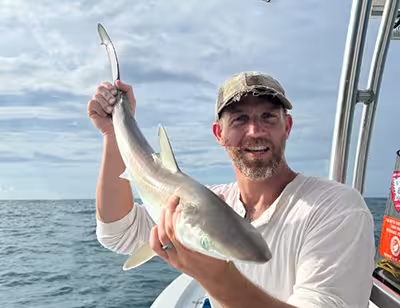
Atlantic Sharpnose Sharks are small coastal sharks with a slim, streamlined body and — as the name implies — a noticeably pointed snout. They tend to run in schools, and when you find one there are often several more in the same area. Their combination of size, speed, and distinctive markings makes them a great species to learn if you spend much time fishing North Carolina’s nearshore waters.
- Head & eyes: The head narrows into a sharp, pointed snout with relatively large eyes for the shark’s size. The snout looks longer and more tapered than on a Blacktip or Sandbar, and there are no hammerhead-style expansions or spade-shaped features.
- Body & fins: Atlantic Sharpnose have a long, slender, torpedo-shaped body built for speed. They carry a moderately tall first dorsal fin and a smaller second dorsal, with a clearly present anal fin — a key difference from Spiny Dogfish, which do not have an anal fin and have spines in front of each dorsal.
- Tail shape: The tail has an elongated upper lobe and a shorter lower lobe, designed for quick bursts and fast, darting runs as they chase down small baitfish around reefs, ledges, and bait schools.
- Color & markings: Atlantic Sharpnose Sharks are typically gray to brownish-gray on top with a pale underside. Many fish show rows of white spots along the sides, especially on smaller individuals, and some have dusky or blackish tips on the dorsal and tail fins. Those spots and black-edged fins are two of the best field marks when you’re trying to separate them from other small sharks.
- Teeth & diet: Their teeth are relatively small and arranged in narrow rows built for gripping and slicing small fish, shrimp, crabs, and other invertebrates. They’re opportunistic feeders that work bait schools and structure edges where smaller prey stacks up.
- Most common in NC: Along our coast, Atlantic Sharpnose are most often encountered over nearshore reefs, ledges, livebottom, and bait-rich areas just off the beach. If you’re anchored or drifting over a reef in 40–80 feet of water and you start getting steady, head-shaking runs on your shark baits, there’s a good chance sharpnose are in the mix.
Atlantic Sharpnose Shark Identification Resources
Where to Catch Atlantic Sharpnose Sharks in North Carolina
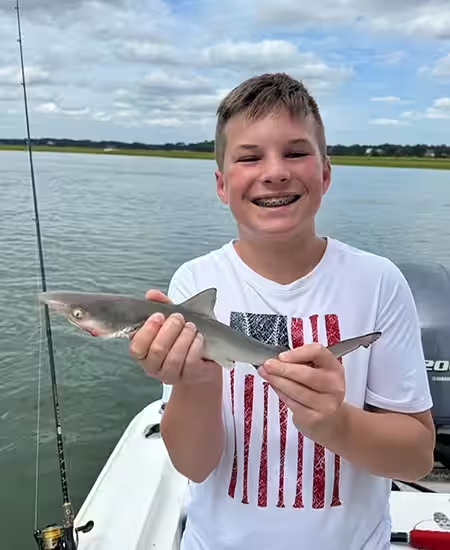
Atlantic Sharpnose Sharks are classic nearshore coastal sharks that thrive anywhere warm water, structure, and bait come together. In North Carolina, that means they’re strongly associated with reefs, ledges, and hardbottom areas just off the beach, as well as surf and pier zones when bait is thick and the water is warm. We often encounter them while shark fishing around nearshore structure for a mix of species.
- Nearshore reefs & ledges: Artificial reefs, natural ledges, and livebottom areas in the 40–80 foot range are prime Atlantic Sharpnose territory. These structures concentrate bait and smaller reef fish, and sharpnose sharks work the edges picking off easy meals.
- Just off the beach: On many days, sharpnose roam the nearshore zone within a few hundred yards off the beach, especially when menhaden, mullet, or other baitfish are bunched up in pods along the surface. Slow-drifting or anchoring near visible bait schools can be very productive.
- Piers & surf: During the warmer months, Atlantic Sharpnose can also be caught from piers and in the surf, particularly when the water is in the upper 60s and above and small baitfish are moving along the bars and troughs.
Across most of North Carolina, the prime window for encountering Atlantic Sharpnose lines up with the late spring through early fall warm-water season. On my charters, they’re a staple of our nearshore shark trips out of Ocean Isle Beach, and we often see the most consistent action when bait is plentiful and the water has that clean, green look over nearshore structure.
Best Shark Rigs & Baits for Atlantic Sharpnose in NC
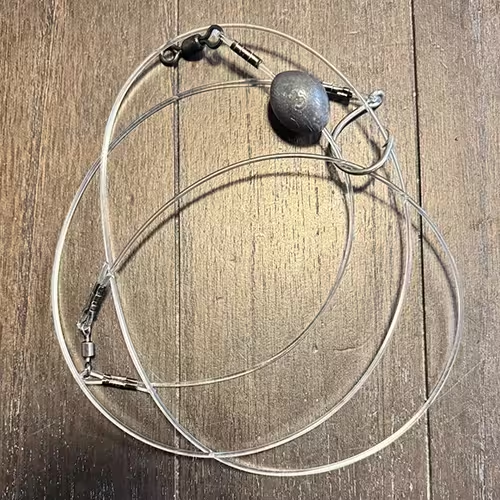
My Go-To Shark Fishing Rig:
When we’re set up for a mix of coastal sharks, I often use the same heavy bottom rig that handles our larger species — a five-foot modified Carolina rig built in two sections: an upper section with a heavy, fixed sinker locked between two ball-bearing swivels, and a lower section consisting of roughly four feet of 400-pound monofilament leader running to a non-stainless inline circle hook.
That rig is more than enough for an Atlantic Sharpnose and is what I rely on when there’s a chance of hooking bigger sharks in the same area. If we’re specifically targeting sharpnose on lighter tackle, I’ll often scale down leader size and hook size to better match their smaller mouth and the chunk baits they prefer — but the basic layout of a short, abrasion-resistant leader, strong circle hook, and bottom-oriented sinker stays the same.
The shark rig shown above is the exact one I use on most of my NC Shark Fishing Charters, and you can see how I build it step-by-step here: How to Make the Shark Fishing Rig I Use on My Charters.
My Go-To Baits for Atlantic Sharpnose:
Atlantic Sharpnose are opportunistic feeders that key in on small fish, squid, and crustaceans. Fresh, durable cut baits are usually the most efficient way to stay hooked up when you’re fishing around reefs and ledges.
- Cut baitfish (mullet, menhaden, bluefish, or other small coastal species) — classic sharpnose baits fished on the bottom around nearshore structure.
- Squid strips — tough, easy to rig on multi-rod setups, and very effective when sharpnose are mixed in with other reef fish.
- Shrimp or small crab pieces — useful when you’re targeting a mixed bag and want to keep options open for other species while still drawing sharpnose bites.
- Match the hatch: If you’re seeing pods of small baitfish or a lot of reef life on the sounder, tailor your bait size to that natural forage. Smaller, streamlined chunks usually get more clean hookups on sharpnose.
- Note: Always check local bait and bait-fishing regulations before fishing, and keep your bait sizes realistic for the gear and anglers on board — especially when kids are fighting the fish.
Captain's Note: When I’m on a nearshore reef with good life showing on the screen, I almost always dedicate at least one rod to smaller cut baits for Atlantic Sharpnose. They’re great “action fish” that keep kids engaged and rods bent while we wait on a bigger shark or another target species to make an appearance.
Best Gear for NC Shark Fishing
You don’t need giant offshore reels and broomstick rods to catch sharks along the NC coast — but you do need gear that can handle long runs, rough mouths, and abrasive skin without failing. Here’s the kind of setup I trust day in and day out on my charter boat.
Shark Fishing Rod / Reel
- Surf Setup: Penn Pursuit V LE 9 Foot Rod-Reel Combo
- Pier Setup: Penn Spinfisher VII 7 Foot Rod Reel Combo
- Boat Setup: Penn Spinfisher VII 7 Foot Rod Reel Combo
Line & Leader Setup
- Main Line: PowerPro SS V2 80 LB Test Braided Fishing Line
- Mono Leader: HI-SEAS Grand Slam 400 LB Mono Fishing Leader
- Wire Leader: AFW 400 LB Stainless Steel Cable Leader
Terminal Tackle
- Swivels: Dr Fish Stainless Steel Swivel #8 390 LB
- Circle Hooks: Mustad Demon Perfect Circle 10/0 Hook
- Drift Sinkers: Egg Sinker 4 Ounce
- Anchored Sinkers: Bank Sinker 6 Ounce
- Pier / Surf Sinkers: Pyramid Sinker 8 Ounce
Shark Fishing Accessories
- De-Hooker: Bubba De-Hooker
- Shark Measuring Tape: Bluewing 96" Waterproof Fishing Ruler
- Fish Handling Gloves: Lindy Fish Handling Gloves
- Crimping Kit: Basic Crimping Kit
- Premium Crimping Kit: Hi-Seas Rigging Kit
Note: Make sure you’re using inline (non-offset) circle hooks that are not stainless steel to stay legal when targeting sharks.
Fighting & Handling Atlantic Sharpnose Sharks
Atlantic Sharpnose Sharks fight with a mix of speed and persistence that makes them ideal light-tackle targets. They’re not as heavy as some of our larger coastal species, but they make fast runs, tight circles, and quick direction changes that keep anglers on their toes. On appropriately sized tackle, a fired-up sharpnose can give kids and adults plenty of fun without wearing anyone out.
Because of their smaller size and nearshore habits, Atlantic Sharpnose are generally easier to manage at boat-side than big coastal sharks — but we still treat them with the same respect. Here are a few key points I emphasize with my charter clients whenever we hook into one:
- Use appropriately light tackle — medium spinning outfits with smooth drags are ideal. You want enough power to control the fish without turning the fight into a winch job.
- Short, controlled lifts — a steady rhythm of lifting and reeling down keeps pressure on the fish and helps newer anglers stay in control, especially in choppy seas over reefs and ledges.
- Be mindful of structure — sharpnose are often hooked around reefs, ledges, and hardbottom. Use boat position and rod angle to keep the line clear of the hull and any sharp structure that could chafe your leader.
- Plan the release before the shark is boat-side — have de-hookers, cutters, and gloves ready so you can make a quick, clean release without a lot of extra handling.
- Keep the shark in the water — even smaller sharks do best when handled at the rail rather than dragged into the boat. A quick photo at water level and a smooth release is usually all you need.
- Minimize fight and handling time — Atlantic Sharpnose are tough, but there’s no reason to overplay them. A firm, efficient fight and fast release keeps mortality low and helps the fish swim away strong.
Atlantic Sharpnose Shark Regulations in North Carolina
Atlantic Sharpnose Sharks are managed as part of the Small Coastal Shark group under federal Highly Migratory Species (HMS) rules, with additional requirements set by North Carolina. Regulations for sharpnose can change over time, so it’s important to check the most current information before deciding whether a shark is legal to keep. Many anglers treat Atlantic Sharpnose as a light-tackle sport fish and release them, especially when they’re caught around nearshore structure that sees a lot of fishing pressure.
Official Shark Regulations & Identification Resources
For the most accurate, up-to-date shark regulations and species identification tools, use these official resources:
- NC Division of Marine Fisheries (NCDMF) Size and Bag Limits
- NOAA Recreational Size and Bag Limits for HMS Species
- NOAA HMS Shark Identification Placard (PDF)
- NOAA HMS Prohibited Shark Identification Placard (PDF)
- NOAA Highly Migratory Species (HMS) Permits
Below is a quick overview of how Atlantic Sharpnose Shark regulations are generally structured here in North Carolina and what anglers should expect on the water.
Atlantic Sharpnose Shark Regulations at a Glance
- Management Group: Atlantic Sharpnose are part of the federally authorized Small Coastal Shark complex under HMS rules, grouped with other relatively small, nearshore species that are managed with their own size and retention framework.
- Minimum Size & Bag Limits: When harvest is permitted, Atlantic Sharpnose are typically managed under the one-shark-per-person per day recreational bag within the overall small-coastal-shark allowance. The exact numbers and any minimum sizes can change, so always confirm current HMS and NC rules before keeping one.
- Common Reality: Most Atlantic Sharpnose caught along the NC coast are hooked around nearshore reefs and ledges that see a lot of fishing pressure. Even when regulations allow harvest, many anglers — myself included — choose to release them and enjoy them as a fun, catch-and-release light-tackle shark.
- Hook Requirement: When targeting or catching sharks on natural bait, NC and federal law require non-stainless, inline circle hooks for all recreational shark fishing.
- Identification Responsibility: Anglers are required to properly identify the shark species before harvest. Atlantic Sharpnose are sometimes mistaken for small Blacktips or other species, so being able to tell them apart is important before you ever think about keeping a fish.
- Best Practice: Unless you are 100% certain the shark meets current HMS size rules and retention criteria — and you truly plan to keep it — treat Atlantic Sharpnose as catch-and-release only. Release the fish quickly, keep it in the water, and minimize handling time.
While Atlantic Sharpnose Sharks don’t currently have a clearly broken-out state-record line on the North Carolina saltwater records table, the IGFA all-tackle world record 16-pound 11-ounce fish shows just how solid these “little nearshore torpedoes” can get under the right conditions.
If you’d like a shot at tangling with Atlantic Sharpnose along the Ocean Isle Beach and Brunswick County coast, we encounter them frequently on my shark fishing charters when conditions line up. They’re one of my favorite species for introducing new anglers to shark fishing in a safe, controlled, nearshore setting.
More NC Shark Species Guides
Want to explore more sharks found along the North Carolina coast? Here are the other species we regularly encounter on my shark fishing charters out of Ocean Isle Beach.
Atlantic Sharpnose Shark FAQs
Are Atlantic Sharpnose Sharks common in North Carolina?
Yes. Atlantic Sharpnose Sharks are one of the most common small coastal sharks we see off North Carolina, especially around nearshore reefs, ledges, and bait schools in warmer months. If you spend much time shark fishing just off the beach with cut bait on the bottom, it’s only a matter of time before you tangle with a few sharpnose.
Where is the best place to catch Atlantic Sharpnose Sharks in NC?
The most consistent places to encounter Atlantic Sharpnose in North Carolina are nearshore reefs, ledges, and hardbottom areas in the 40–80 foot range, plus bait-rich zones just off the beach. On my charters, most sharpnose are hooked while we’re shark fishing around nearshore structure for a mix of species and a school of sharpnose moves in on the commotion.
What bait works best for catching Atlantic Sharpnose Sharks?
Fresh cut bait is hard to beat for Atlantic Sharpnose Sharks. Strips or chunks of mullet, menhaden, bluefish, or similar baitfish, along with squid strips, all work well when fished on the bottom around structure and bait schools. If your bait is consistently drawing bites from reef fish and other small predators, it will usually draw sharpnose as well when a school slides through.
Can you keep an Atlantic Sharpnose Shark in North Carolina?
Atlantic Sharpnose Sharks are part of the Small Coastal Shark group and may be harvested when regulations permit, but they’re managed under specific size and bag limits that can change as rules are updated. In many years, they fall under the one-shark-per-person daily bag for legal small coastal sharks — but you always need to verify the latest NOAA HMS and North Carolina regulations before keeping one. When in doubt, the safest and most responsible choice is to release the fish in good condition.
Are Atlantic Sharpnose Sharks dangerous to swimmers in NC?
Atlantic Sharpnose are relatively small sharks with modest-sized teeth and a diet focused on baitfish and small invertebrates. They should always be treated with respect — they’re still wild animals with sharp teeth — but they aren’t high on the list of species that pose a serious threat to swimmers. Most encounters happen a bit offshore around reefs and ledges where anglers are fishing, not right where most families are swimming in knee-deep surf.
How do you tell an Atlantic Sharpnose from a Spiny Dogfish or small Blacktip?
Atlantic Sharpnose have a pointed snout, rows of white spots, and no dorsal spines, with a clearly visible anal fin. Spiny Dogfish have two sharp dorsal spines and no anal fin, and they’re more common in cooler months offshore. Small Blacktips often lack the white spotting and show more consistently black-tipped fins with a slightly bulkier body. Once you key in on the pointed snout, spots, and lack of dorsal spines, sharpnose ID becomes much easier.
When is the best time of year to catch Atlantic Sharpnose Sharks in North Carolina?
Our best Atlantic Sharpnose action typically runs from late spring through early fall, with the most consistent fishing in summer and early fall when water temperatures are in the upper 60s and above and baitfish are stacked around nearshore structure. Calm days with clean water and active bait schools are often the ones where sharpnose really light up.
Reserve Your North Carolina Shark Fishing Charter Today!
Don't miss your chance to experience the best Shark fishing charter in North Carolina!. Book your fishing charter now for an unforgettable day on the water!
To Book Your Shark Fishing Charter:
- NC Shark Fishing Charter Info
- Call or text Captain Harvey at (910) 250-8459
- Click / tap the "Book My Trip" button below to view my availability calendar and choose your booking options.
BOOK MY TRIP
Tight Lines,
Captain Harvey Wall
Salty Dawg Fishing Charters
Updated: February 23, 2026

How to Book Your Fishing Charter
Booking your Shark Fishing Charter with Salty Dawg Fishing Charters is easy! Here’s how:
- Option 1:
BOOK MY TRIP - Option 2: (If you have questions or don't want to book online)
Call / text Captain Harvey directly at (910) 250-8459
Have questions? Feel free to Contact Captain Harvey or call anytime. He is happy to help you plan the perfect fishing trip for you!