
Tiger Sharks are one of the heaviest-hitting apex predators we see along the North Carolina coast. They’re big, broad-shouldered sharks that patrol reefs, ledges, wrecks, and bait-rich edges from the nearshore zone all the way offshore. When a Tiger shows up behind the boat, it has a presence you don’t forget — even seasoned anglers get quiet when they realize just how big these fish can be.
Around North Carolina, Tiger Sharks are most commonly encountered around nearshore and offshore structure, hard-bottom areas, ledges, wrecks, shrimp-boat bycatch lines, and bait-dense drop-offs. They frequently shadow schools of menhaden, mullet, bonito, and other baitfish, sliding in and out of the spread as they work down a reef or current edge. When a Tiger eats, it’s rarely subtle — the rod buries, the drag comes tight, and the whole boat instantly knows something serious is on the other end.
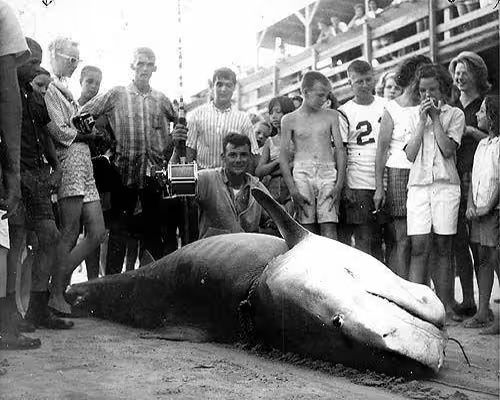
Many of the Tigers we see along the NC coast fall in the 6–12+ foot range, with fish that easily reach several hundred pounds and true giants occasionally pushing well into the 800–1,000+ pound class. North Carolina’s long-standing state-record Tiger Shark weighed 1,150 lbs 0 oz, and the IGFA all-tackle world record is officially a shared title between a 1,780 lb Tiger caught off Cherry Grove, South Carolina (just south of Ocean Isle Beach) and a 1,785 lb 11 oz Tiger from Australia. IGFA rules require a new record to exceed the old one by at least 0.5%, so the larger fish did not clear that threshold. Many observers believe Walter Maxwell’s Cherry Grove shark was over 2,000 pounds at the time of capture, as it wasn’t weighed until the following day — you can read the full story of the World-Record Tiger Shark right here.
This page breaks down everything you need to know if you’re trying to identify a Tiger Shark or understand how they behave along the NC coast. Whether you’re learning the species for the first time or checking off sharks you’ve caught over the years, this guide will walk you through the key traits, where they show up, and what makes them such an unforgettable part of our shark fishery.
Looking for other shark species found in NC? View our full NC Shark Species Identification Guide.

Fish With the Captain Who Wrote This Guide
I’m Captain Harvey Wall, the author of this guide and the owner/operator of Salty Dawg Fishing Charters in Ocean Isle Beach, NC. If you’d rather skip the learning curve and book a NC Shark Fishing Charter so you can experience shark fishing for Tiger Sharks and other sharks firsthand, join me on the water.
NC Tiger Shark Fishing CharterTiger Shark Identification
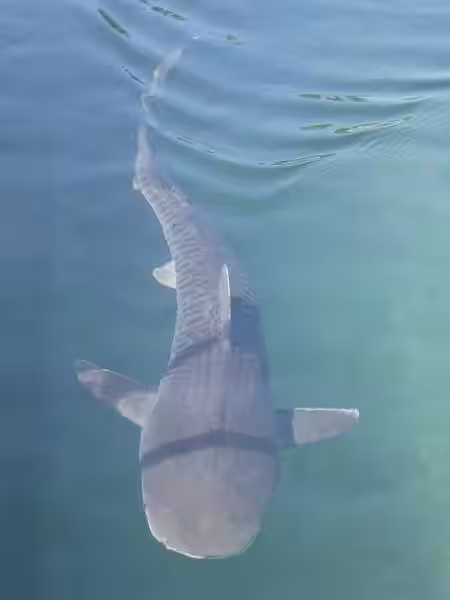
Tiger Sharks have a thick, powerful body and a broad, blunt snout that set them apart from many of the sleeker coastal sharks we see in North Carolina. Juveniles carry the classic dark vertical “tiger” bars and blotches along the sides, while larger adults often fade to a more subtle pattern over a deep gray, olive, or brownish back. Once you learn the combination of head shape, body build, and markings, Tiger Shark identification becomes fairly straightforward.
- Head & mouth: Tigers have a wide, blunt snout with a large, powerful mouth set at the front of the head rather than tucked well under the snout. The jaws are lined with heavy, serrated, saw-like teeth designed to shear through tough prey — everything from big fish to rays and turtles.
- Body & fins: The body is deep and stocky with a tall, prominent first dorsal fin set fairly far forward. The second dorsal and pelvic fins are noticeably smaller but still substantial, giving the shark a very “balanced” top profile when viewed from the side.
- Tail shape: The tail has a long upper lobe with a strong lower lobe, built for long-distance cruising and sudden bursts of power. On big Tigers, the tail looks thick and muscular, matching the overall size of the shark.
- Color & markings: Juvenile and sub-adult Tigers show dark vertical bars and blotches along the sides over a gray, olive, or brownish background. As they grow larger, those markings often fade but usually remain faintly visible, especially in clear water or good light.
- Skin & presence: Their skin is extremely tough and abrasive, and big Tigers have a heavy, almost “blocky” look in the water. When one slides in behind the boat, there’s no mistaking it — the combination of depth, head shape, and tail all scream Tiger.
- Most common in NC: Along our coast, Tiger Sharks are most often encountered around deeper nearshore and offshore reefs, ledges, wrecks, and bait-rich current edges, as well as around shrimp-boat bycatch lines where food is concentrated.
Tiger Shark Identification Resources
Where to Catch Tiger Sharks in North Carolina
The video here is a quick clip from one of my shark fishing charters, showing the kind of heavy, powerful run you can expect when a big shark shows up in the spread. When you’re dealing with Tigers in particular, everything gets scaled up — the size of the fish, the power of the runs, and the respect they demand at boat-side.
Tiger Sharks are classic opportunistic predators that follow food. In North Carolina, that means they key in on places where bait, structure, and current all come together. While we don’t typically run trips “just” for Tiger Sharks, they’re very much on the table any time we’re fishing heavy bottom baits around deeper reefs, ledges, or shrimp-boat lines.
- Nearshore & mid-range reefs (10–25 miles): Larger reef complexes and wrecks off the major inlets can hold Tiger Sharks, especially when menhaden, mullet, or other bait is stacked up. These areas are often where we see our first Tigers of the season.
- Offshore ledges & hardbottom: Deeper ledges, live-bottom, and drop-offs along the break are classic Tiger territory. These spots concentrate bait and current, and Tigers will work up and down them picking off weak, injured, or easy meals.
- Shrimp-boat bycatch lines & bait pods: Tigers are well-known for shadowing shrimp boats and other vessels that throw bycatch overboard. They’ll also set up along big, tight bait pods where menhaden, mullet, or bonito are thick.
Across most of North Carolina, the prime window for seeing Tiger Sharks lines up with our late spring through fall shark season, when water temperatures are warm, bait is abundant, and overall shark activity is at its highest. Some Tigers may roam the deeper offshore structure year-round, but most charter encounters happen in the core warm-water months.
Best Shark Rigs & Baits for Tiger Sharks in NC
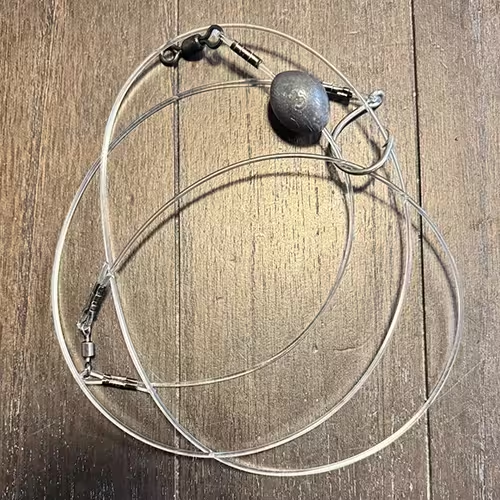
My Go-To Shark Fishing Rig:
This rig is a five-foot modified Carolina rig built in two sections: an upper section with a heavy, fixed sinker locked between two ball-bearing swivels, and a lower section consisting of roughly four feet of 400-pound monofilament leader running to a non-stainless inline circle hook.
It’s the same basic setup I trust for most of my larger coastal sharks — including Tigers. The rig keeps your bait close to the bottom while still allowing natural movement, reduces tangles in current, and gives you a clean, strong connection when a Tiger makes that long, powerful initial run away from the structure.
The shark rig shown above is the exact one I use on most of my NC Shark Fishing Charters, and you can see how I build it step-by-step here: How to Make the Shark Fishing Rig I Use on My Charters.
My Go-To Baits for Tiger Sharks:
Tiger Sharks are opportunistic feeders with a serious appetite. Fresh, oily, realistically sized baits are your best bet — especially around structure and heavy current where they’re already hunting.
- Bluefish chunks or large fillets — tough, oily, and durable. A great all-around choice for both nearshore and offshore Tigers.
- Menhaden / Pogies / Bunker — whole or butterflied, fished on the bottom or just off structure where bait is holding.
- Mullet (whole or large sections) — especially effective around inlets, reefs, and shrimp-boat lines with strong current.
- Bonito, false albacore, or other small tunas — excellent big-fish baits offshore with a strong scent trail and plenty of meat.
- Use chum whenever practical — a steady chum line dramatically improves your odds of drawing Tigers and other large sharks into range.
- Note: Always check local bait and bait-fishing regulations before fishing, and keep your bait sizes realistic for the gear and anglers on board.
Captain's Note: I like using Bluefish and other strong, oily baits when I’m in areas that might hold Tigers. I’ll often troll diving plugs or live-bait rigs just off the beaches or along the reef edges early, put a few fresh baits in the box, and then set up on nearby structure once I know I’ve got the right bait and conditions for a big shark bite.
Best Gear for NC Shark Fishing
You don’t need giant offshore reels and broomstick rods to catch sharks along the NC coast — but you do need gear that can handle long runs, rough mouths, and abrasive skin without failing. Here’s the kind of setup I trust day in and day out on my charter boat.
Shark Fishing Rod / Reel
- Surf Setup: Penn Pursuit V LE 9 Foot Rod-Reel Combo
- Pier Setup: Penn Spinfisher VII 7 Foot Rod Reel Combo
- Boat Setup: Penn Spinfisher VII 7 Foot Rod Reel Combo
Line & Leader Setup
- Main Line: PowerPro SS V2 80 LB Test Braided Fishing Line
- Mono Leader: HI-SEAS Grand Slam 400 LB Mono Fishing Leader
- Wire Leader: AFW 400 LB Stainless Steel Cable Leader
Terminal Tackle
- Swivels: Dr Fish Stainless Steel Swivel #8 390 LB
- Circle Hooks: Mustad Demon Perfect Circle 10/0 Hook
- Drift Sinkers: Egg Sinker 4 Ounce
- Anchored Sinkers: Bank Sinker 6 Ounce
- Pier / Surf Sinkers: Pyramid Sinker 8 Ounce
Shark Fishing Accessories
- De-Hooker: Bubba De-Hooker
- Shark Measuring Tape: Bluewing 96" Waterproof Fishing Ruler
- Fish Handling Gloves: Lindy Fish Handling Gloves
- Crimping Kit: Basic Crimping Kit
- Premium Crimping Kit: Hi-Seas Rigging Kit
Note: Make sure you’re using inline (non-offset) circle hooks that are not stainless steel to stay legal when targeting sharks.
Fighting & Handling Tiger Sharks
Tiger Sharks fight with a combination of raw power and weight that feels very different from the smaller coastal sharks we catch in North Carolina. Big Tigers make long, steady runs, deep circles, and heavy surges that test both the angler and the tackle. Once they get broadside in the current, the sheer size of the fish becomes obvious — it can feel like you’re tethered to a slowly moving freight train.
Because of their size, strength, and status as apex predators, we take extra care when fighting and handling Tigers. Here are a few key points I emphasize with my charter clients whenever we hook into one:
- Use smooth, controlled drag — you want enough pressure to turn the fish without locking down so hard that something fails. Let the rod and drag system absorb the big headshakes and surges.
- Short, efficient lifts — avoid big, jerky pumps. A steady rhythm of lifting and reeling down keeps pressure on the fish and conserves your energy on longer battles.
- Plan the release before the shark is boat-side — have de-hookers, heavy cutters, gloves, and (when appropriate) a tail rope ready, and talk through how the release will go so everyone is on the same page.
- Keep the shark in the water — large Tigers should never be dragged into the boat. Keeping them in the water reduces stress, protects the fish, and keeps everyone on board safer.
- Respect the bite — Tiger Sharks have extremely powerful jaws and serrated teeth. Keep hands and feet clear, and never put yourself in a position where a sudden move could bring the mouth toward you.
- Minimize fight and handling time — Tigers are tough, but long, drawn-out fights and excessive handling still take a toll. Fight them efficiently, get your photos quickly, and let them swim away strong.
Tiger Shark Regulations in North Carolina
Tiger Sharks are managed as part of the Large Coastal Shark group under federal Highly Migratory Species (HMS) rules, with additional requirements set by North Carolina. Regulations for Tigers are strict and can change over time, so it’s important to check the most current information before deciding whether a shark is legal to keep. Most of the Tigers we encounter are released to help preserve this apex predator’s role in the ecosystem.
Official Shark Regulations & Identification Resources
For the most accurate, up-to-date shark regulations and species identification tools, use these official resources:
- NC Division of Marine Fisheries (NCDMF) Size and Bag Limits
- NOAA Recreational Size and Bag Limits for HMS Species
- NOAA HMS Shark Identification Placard (PDF)
- NOAA HMS Prohibited Shark Identification Placard (PDF)
- NOAA Highly Migratory Species (HMS) Permits
Below is a quick overview of how Tiger Shark regulations are structured here in North Carolina and what anglers should expect on the water.
Tiger Shark Regulations at a Glance
- Management Group: Tiger Sharks are part of the federally authorized Large Coastal Shark complex under HMS rules, with specific size and retention limits that can change as stock assessments are updated.
- Minimum Size: Under current regulations, Tiger Sharks fall under a 54-inch fork-length minimum size for many recreational fisheries in our region when harvest is permitted. Always confirm the latest HMS and NC requirements before keeping any Tiger.
- Bag Limit: If a Tiger Shark is legal to retain, it typically counts toward the one authorized shark per vessel per day bag limit from the allowed species list (in addition to any Atlantic sharpnose and bonnethead that may be allowed per angler under current rules).
- Common Reality: Most Tigers encountered along the NC coast are large, mature fish. Even when they meet the size requirement, many anglers — myself included — choose to release them due to their age, slow growth, and importance as apex predators.
- Hook Requirement: When targeting or catching sharks on natural bait, NC and federal law require non-stainless, inline circle hooks for all recreational shark fishing.
- Identification Responsibility: Anglers are required to properly identify the shark species before harvest. Misidentification of prohibited or undersized species carries serious penalties.
- Best Practice: Unless you are 100% certain the shark meets current HMS size rules and retention criteria — and you truly plan to keep it — treat Tiger Sharks as catch-and-release only. Release the fish quickly, keep it in the water, and minimize handling time.
If you’re interested in the history behind truly giant Tigers, look up the legendary Cherry Grove catch that helped define this fishery — the same record-class Tiger that still shares the IGFA all-tackle world record today. It’s an incredible story that highlights just how big these sharks can get in our corner of the Atlantic.
More NC Shark Species Guides
Want to explore more sharks found along the North Carolina coast? Here are the other species we regularly encounter on my shark fishing charters out of Ocean Isle Beach.
Tiger Shark FAQs
Are Tiger Sharks common in North Carolina?
Tiger Sharks aren’t our most common shark — you’ll see far more blacktips, spinners, and smaller coastal species on a typical trip — but they do show up each year around North Carolina’s reefs, ledges, wrecks, and offshore structure. Most anglers remember every Tiger encounter they’ve ever had, simply because of the size and presence of the fish.
Where is the best place to catch Tiger Sharks in NC?
The most consistent places to encounter Tiger Sharks in North Carolina are nearshore and offshore reefs, wrecks, ledges, and hard-bottom areas with plenty of bait and current. Shrimp-boat bycatch lines and big bait pods offshore are classic Tiger scenarios as well. On my charters, most Tigers are hooked while we’re fishing heavy bottom baits around deeper structure during the warm-water months.
What bait works best for catching Tiger Sharks?
Fresh, oily baits are key. Bluefish, menhaden, mullet, bonito, and small tunas all make excellent Tiger Shark baits, especially when fished near structure or along strong current edges. I like baits that are big enough to interest a large shark but still manageable for the gear and anglers on board. A good chum line around reefs and ledges greatly increases your odds of drawing a Tiger into range.
Can you keep a Tiger Shark in North Carolina?
Tiger Sharks are an authorized species under HMS rules but are subject to strict size and retention limits, including a fork-length minimum size and a one legal shark per vessel per day style bag limit from the allowed species list. Because Tigers are large, slow-growing apex predators, most of the fish we encounter are released, even when they meet the size requirement. When in doubt — or if you aren’t absolutely sure of the current regulations — the safest and most responsible choice is to release the fish in good condition.
Are Tiger Sharks dangerous to swimmers in NC?
Tiger Sharks are powerful apex predators and should always be treated with respect, but most encounters in North Carolina happen offshore or around deeper structure, reefs, and shrimp-boat lines — not in the shallow surf zones where most people swim. Giving sharks plenty of space, never chumming or discarding fish near swimmers, and using common sense around bait balls and active feeding is the best way to stay safe while enjoying our coastal waters.
Reserve Your North Carolina Shark Fishing Charter Today!
Don't miss your chance to experience the best Shark fishing charter in North Carolina!. Book your fishing charter now for an unforgettable day on the water!
To Book Your Shark Fishing Charter:
- NC Shark Fishing Charter Info
- Call or text Captain Harvey at (910) 250-8459
- Click / tap the "Book My Trip" button below to view my availability calendar and choose your booking options.
BOOK MY TRIP
Tight Lines,
Captain Harvey Wall
Salty Dawg Fishing Charters
Updated: February 23, 2026

How to Book Your Fishing Charter
Booking your Shark Fishing Charter with Salty Dawg Fishing Charters is easy! Here’s how:
- Option 1:
BOOK MY TRIP - Option 2: (If you have questions or don't want to book online)
Call / text Captain Harvey directly at (910) 250-8459
Have questions? Feel free to Contact Captain Harvey or call anytime. He is happy to help you plan the perfect fishing trip for you!